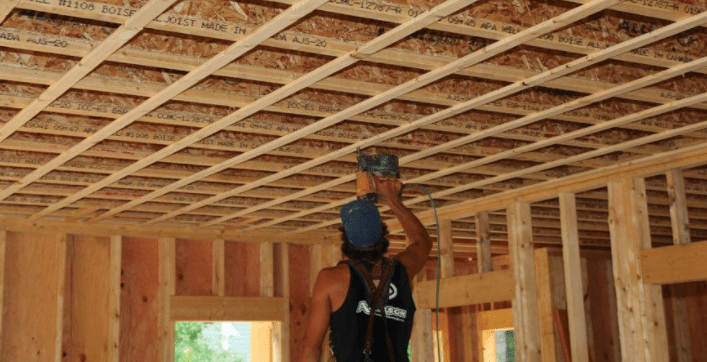
Framing in ceilings and partitions is a crucial aspect of construction that involves creating a supportive structure to hold up ceilings and divide spaces within a building. This process typically uses materials such as wood, metal studs, or a combination of both to form a skeleton that walls and ceilings are attached to. For ceilings, framing ensures that the weight of the ceiling materials, such as drywall or plaster, is evenly distributed and securely supported. In partitioning, framing provides the necessary structure to support drywall or other partition materials, allowing for the creation of separate rooms or sections within a space. Proper framing is essential for ensuring structural integrity, safety, and the longevity of the building, as well as providing a basis for electrical wiring, insulation, and other critical infrastructure components.
2.(HT & LT systems)
Electrical work in ceilings and partitions is a critical aspect of modern construction and renovation, ensuring functionality and safety in residential, commercial, and industrial buildings. This involves the installation of wiring, outlets, switches, and lighting fixtures within ceilings and partition walls. Electricians must plan and execute the layout carefully to accommodate lighting, HVAC systems, fire alarms, and other electrical devices while adhering to building codes and safety standards. Proper insulation and secure placement of electrical components are essential to prevent hazards such as short circuits and fires. This meticulous work enhances the overall efficiency and aesthetics of the interior spaces by providing well-distributed lighting and convenient access to electrical outlets and controls.
3.
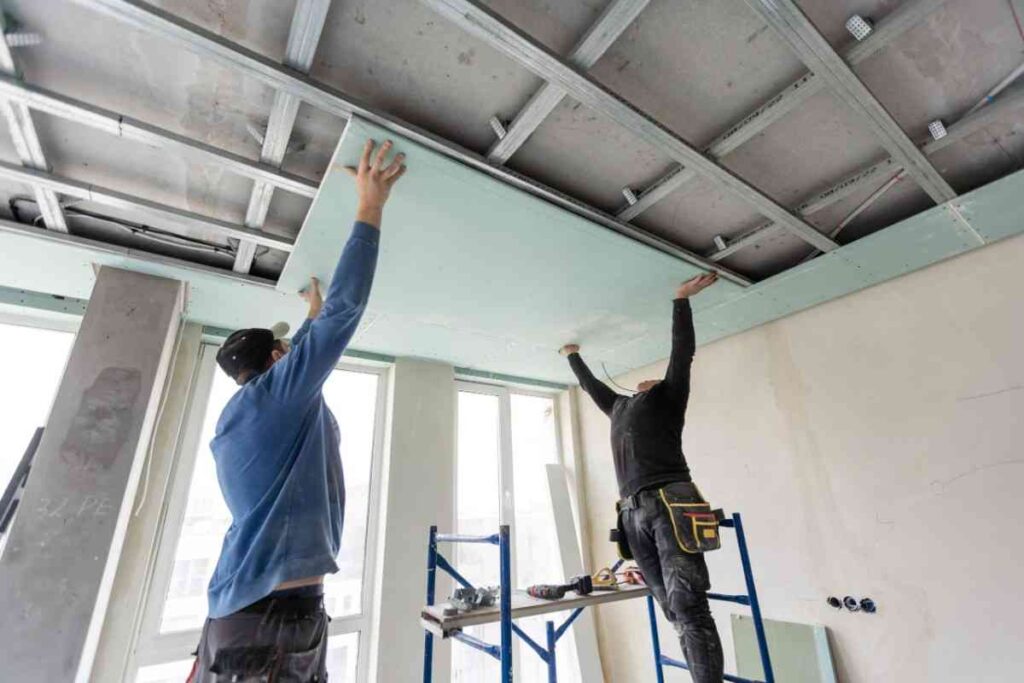
Board fixing in ceilings and partitions involves attaching various types of boards, such as drywall, gypsum, or plasterboard, to create smooth, sturdy surfaces. This process typically begins with measuring and cutting the boards to fit the desired area, followed by securing them to a framework of metal or wooden studs using screws or nails. For ceilings, the boards are often hoisted into place and fixed to the joists, ensuring they are level and properly aligned. In partitions, the boards are attached vertically to the stud framework to form walls. After the boards are fixed, the joints are taped and plastered to create a seamless finish, ready for painting or further decoration. This method is widely used in both residential and commercial construction to improve aesthetics, provide sound insulation, and create functional spaces.
4.& smoothing
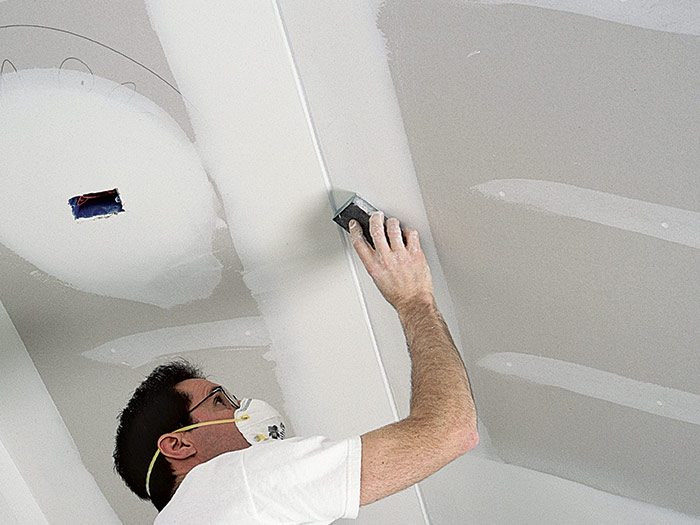
Joint filling in ceilings and partitions is a crucial process in construction and renovation projects to ensure a seamless and polished finish. This involves filling gaps and joints between drywall panels or other partition materials with joint compound, which is then smoothed out and sanded to create an even surface. Proper joint filling not only enhances the aesthetic appeal by creating a uniform appearance but also improves structural integrity and soundproofing. Additionally, it helps in preventing cracks and gaps that could allow air and moisture infiltration, thus contributing to the overall durability and energy efficiency of the building. This process is essential for both residential and commercial properties to achieve high-quality, long-lasting results.
5.
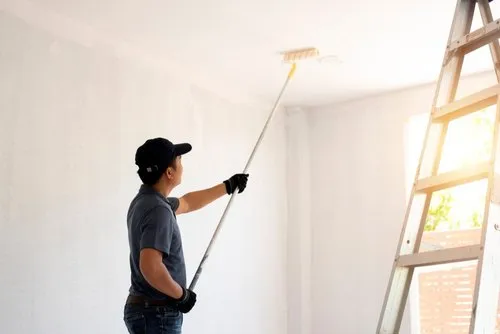
Painting ceilings and partitions is a crucial aspect of interior design, contributing significantly to the overall aesthetics and ambiance of a space. For ceilings, choosing the right paint color and finish can make a room appear larger, brighter, and more cohesive. Light colors are often preferred for ceilings as they reflect more light, giving the room a spacious feel. Partitions, on the other hand, can be painted to either blend seamlessly with the surrounding walls or to stand out as an accent feature. The type of paint used for both ceilings and partitions should be durable and capable of withstanding environmental factors such as humidity and temperature fluctuations. Proper preparation, including priming and smoothing surfaces, ensures a professional finish that enhances the beauty and functionality of the interior space.
6.
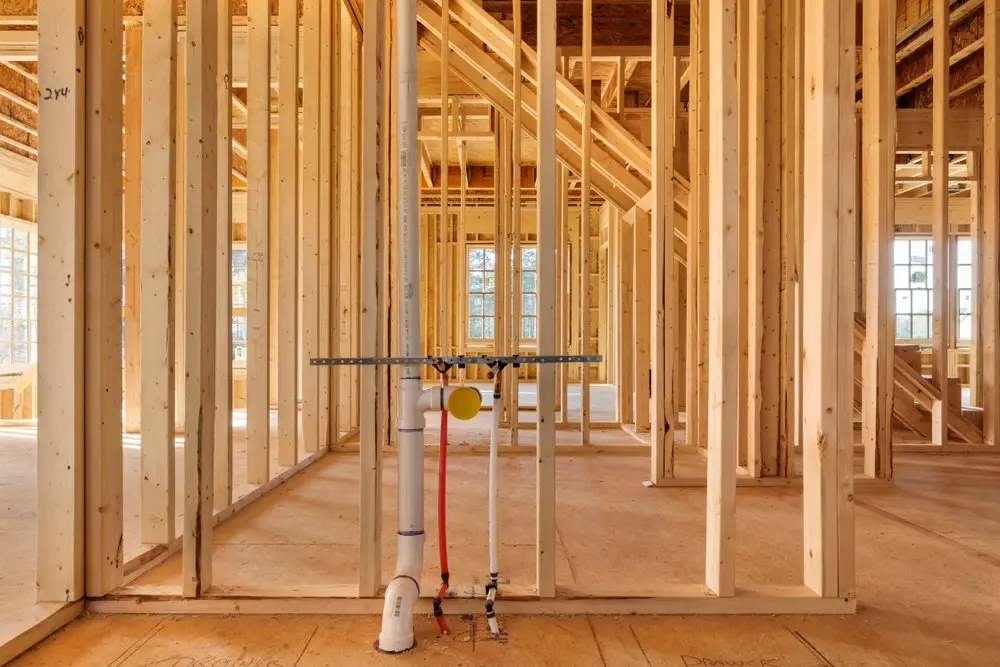
Plumbing rough-ins are the initial stage of a plumbing installation process where the basic framework of the plumbing system is set up before the walls and floors are closed up. This phase involves laying out the essential pipes and connections for water supply and drainage according to the building plans. It ensures that all necessary plumbing components, such as water lines, sewer pipes, and vents, are correctly positioned and securely installed. Proper rough-in work is crucial as it sets the foundation for the entire plumbing system, ensuring efficiency, accessibility, and compliance with building codes. This step typically occurs after framing but before drywall or other finishes are applied, allowing for easy adjustments and inspections.
7.
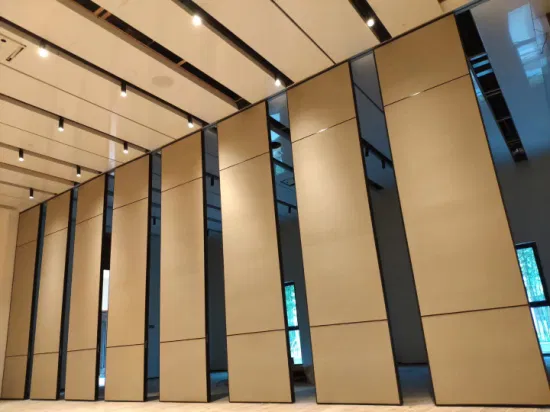
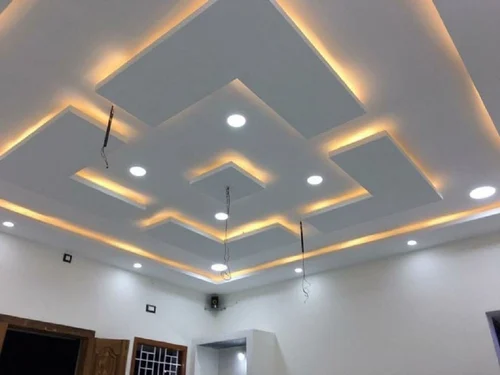
Partition framing and ceiling systems are integral components in modern construction, providing essential structural and aesthetic functions. Partition framing involves creating the skeletal structure for interior walls, using materials like metal studs or wooden frames, to divide spaces efficiently while maintaining stability and durability. This framework supports the installation of drywall, insulation, and other finishes. Meanwhile, ceiling systems, often incorporating suspended or drop ceilings, serve to conceal mechanical, electrical, and plumbing systems while enhancing acoustic properties and allowing for easy access for maintenance. Both partition framing and ceiling systems are crucial for optimizing space utilization, ensuring safety, and achieving desired acoustic and thermal performance in residential, commercial, and industrial buildings.