
1.
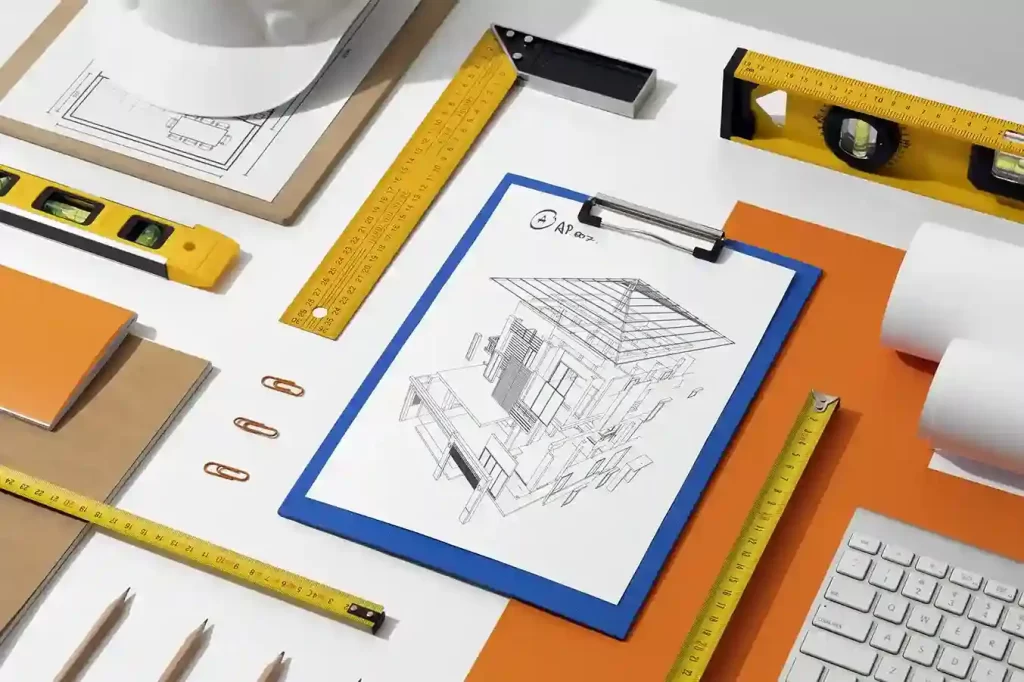
The initial design and layout phase of a project is crucial for setting the foundation and direction for the entire endeavor. This stage involves conceptualizing and visualizing the overall structure, aesthetics, and functionality of the final product. Key considerations include defining the target audience, establishing clear objectives, and ensuring a cohesive user experience. The layout must balance form and function, seamlessly integrating visual elements with practical usability. During this phase, designers create wireframes, mockups, and prototypes, iteratively refining the design based on feedback and testing. This meticulous planning ensures that the project aligns with the desired goals and meets user expectations, setting the stage for a successful implementation.

2.
Permits and approvals are essential regulatory tools used by governments and other authorities to ensure that various activities, such as construction, business operations, environmental modifications, and public events, comply with established laws and standards. These permits and approvals are designed to protect public health and safety, preserve the environment, and ensure orderly development within communities. The process of obtaining a permit or approval typically involves submitting detailed plans and documentation, undergoing inspections, and sometimes engaging in public consultations. Adhering to these requirements helps mitigate risks, avoid legal penalties, and foster sustainable practices. For businesses and individuals, securing the necessary permits and approvals is a critical step in legitimizing their projects and operations.
3.
Budgeting and scheduling are fundamental components of effective project management, ensuring that resources are allocated efficiently and timelines are adhered to. Budgeting involves planning and managing the financial resources required for a project, accounting for costs such as labor, materials, and overheads. It helps in preventing overspending and facilitates financial accountability. Scheduling, on the other hand, focuses on outlining the timeline of project activities, setting deadlines, and defining milestones. It ensures that tasks are completed in a logical sequence, dependencies are managed, and project goals are achieved on time. Together, budgeting and scheduling provide a structured framework that guides project execution, monitors progress, and mitigates risks, ultimately leading to the successful completion of the project within the defined constraints.


4.
Finalizing 2D, 3D, and SLD (Single Line Diagram) drawings is a crucial step in the design and engineering process, ensuring that all visual representations are accurate, comprehensive, and ready for implementation. For 2D drawings, finalization involves verifying dimensions, annotations, and details to ensure that every aspect of the design is clearly communicated and error-free. In the case of 3D drawings, it includes refining the model to accurately represent real-world dimensions and properties, validating spatial relationships, and ensuring that the visualization is both realistic and functional for its intended purpose. For SLD drawings, finalization ensures that all electrical components, connections, and pathways are correctly depicted, enabling a clear and precise overview of the electrical system’s layout. This stage often involves rigorous review processes, adherence to industry standards, and collaboration among various stakeholders to guarantee that the drawings are not only technically sound but also fully aligned with the project’s requirements and objectives.