
1.
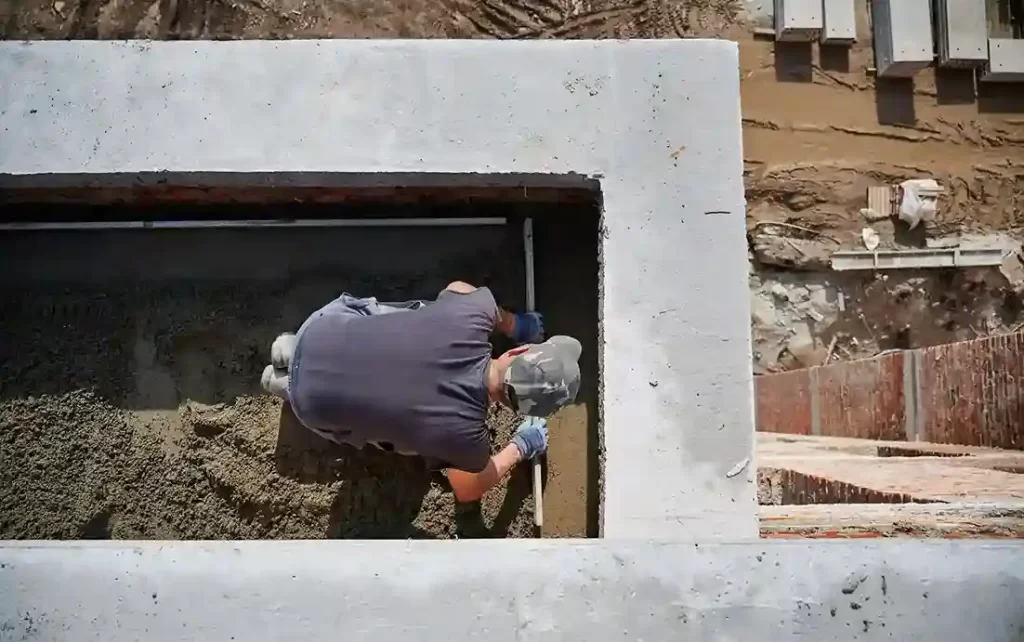
Concrete work, encompassing Plain Cement Concrete (PCC), stands as a foundational pillar in construction endeavors, embodying strength, durability, and versatility. PCC, the precursor to reinforced concrete, constitutes a mixture of cement, aggregates, water, and often additives, meticulously proportioned to achieve desired characteristics. This amalgamation undergoes a curing process, transforming into a solid mass capable of bearing significant loads. Whether it’s laying the groundwork for a structure’s foundation, constructing pavements, or crafting intricate architectural elements, concrete work forms the backbone of modern infrastructure. Its adaptability allows for varied finishes and applications, from smooth surfaces adorning sleek interiors to rugged textures defining exterior landscapes. Beyond mere construction, concrete epitomizes resilience, enduring the test of time and weathering diverse environmental conditions, thereby shaping the built environment with steadfast reliability and enduring functionality.
2.
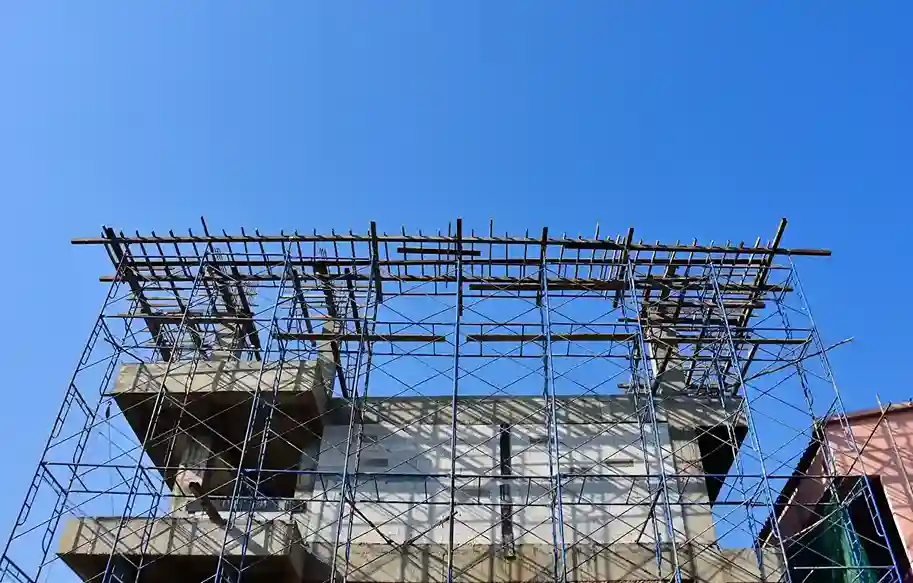
Reinforcement and framework are two essential components in various domains, notably in psychology, engineering, and education. Reinforcement, rooted in behaviorism, refers to the process of encouraging or discouraging certain behaviors through the application of consequences. Positive reinforcement involves rewarding desired behaviors, while negative reinforcement involves removing aversive stimuli to strengthen behaviors. This concept is pivotal in understanding learning processes and shaping behavior. On the other hand, a framework provides a structured approach or set of guidelines for organizing and solving complex problems. In software development, frameworks offer pre-defined structures and functionalities to facilitate the development of applications. Similarly, in the context of research or policy development, frameworks provide a systematic way to analyze data or tackle issues. Both reinforcement and framework serve as cornerstones for understanding, problem-solving, and progress in various fields, offering structured pathways towards desired outcomes.
3.
Structural steel welding for beams and columns is a critical aspect of construction, ensuring the integrity and stability of buildings and infrastructure. Welding techniques such as shielded metal arc welding (SMAW), gas metal arc welding (GMAW), and flux-cored arc welding (FCAW) are commonly employed to join steel members securely. Proper preparation, including cleaning and preheating, is essential to achieve strong welds and prevent defects such as porosity and cracking. Welders must adhere to strict codes and standards, such as those set by the American Welding Society (AWS), to guarantee the structural integrity and safety of the welded connections. Additionally, factors like material composition, joint design, and welding procedures must be carefully considered to ensure the longevity and performance of the welded beams and columns in various structural applications.