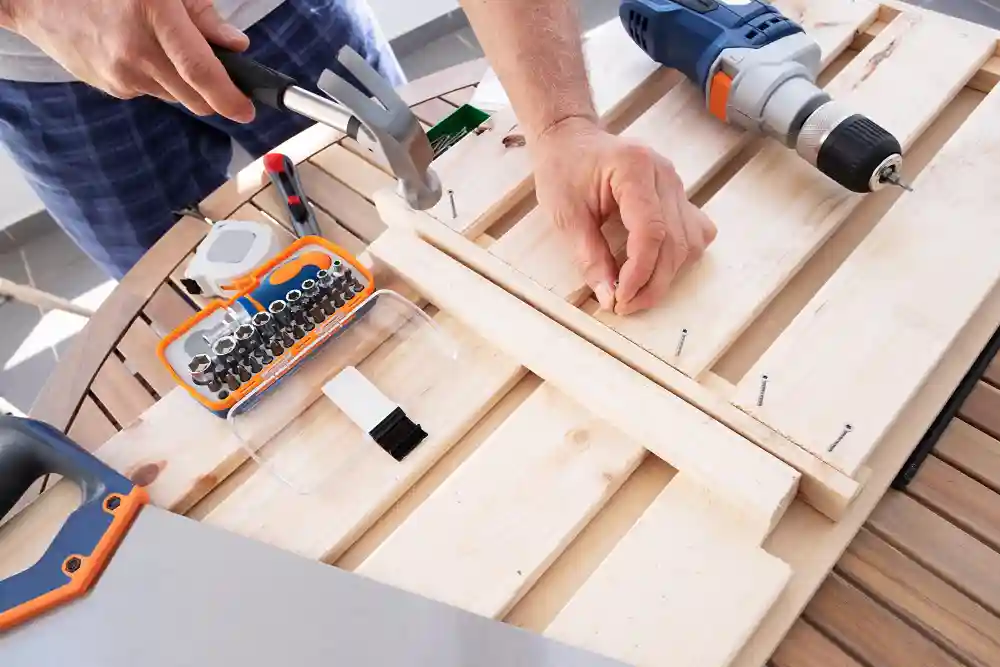
Board fixing, or drywall installation, involves attaching drywall panels to the framing of walls and ceilings. This process includes measuring, cutting, and securing the drywall using screws or nails. After installation, seams are taped, mudded, and sanded to create a smooth surface ready for painting or finishing.
2.
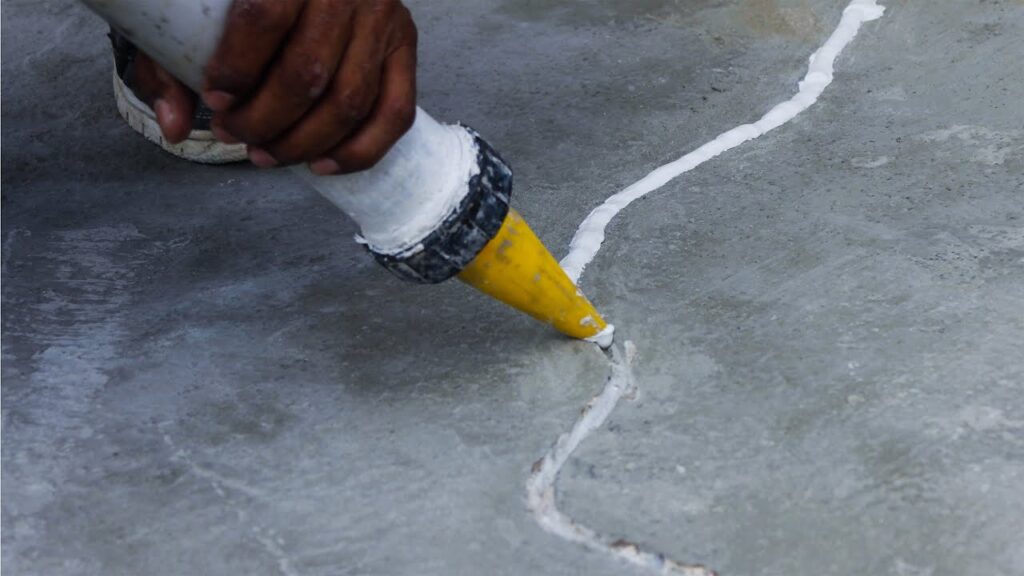
Joint filling is a construction technique used to fill the gaps between structural elements, such as concrete slabs or tiles. It prevents water infiltration, protects edges from damage, and allows for expansion and contraction due to temperature changes. Common materials include sealants, caulks, and specialized joint fillers.Joint filling is a construction technique used to fill the gaps between structural elements, such as concrete slabs or tiles. It prevents water infiltration, protects edges from damage, and allows for expansion and contraction due to temperature changes. Common materials include sealants, caulks, and specialized joint fillers.
3.
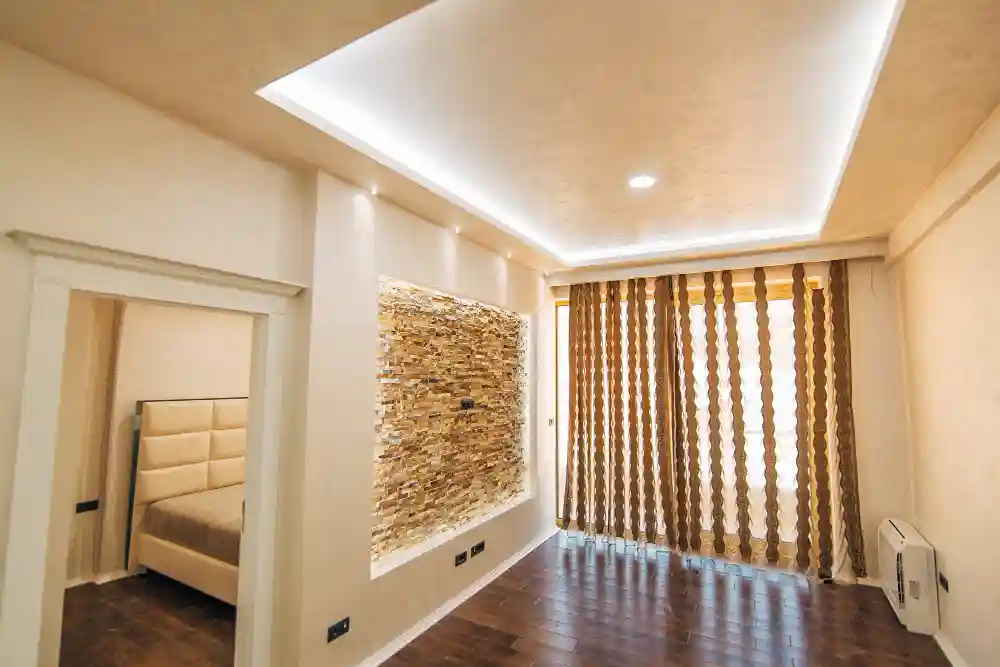
Interior framing and partitioning involve constructing the skeletal framework inside a building. This includes installing studs, headers, and beams to support walls, ceilings, and partitions. Typically made from wood or metal, these structures define spaces, provide support for finishes, and facilitate electrical and plumbing installations.
4.
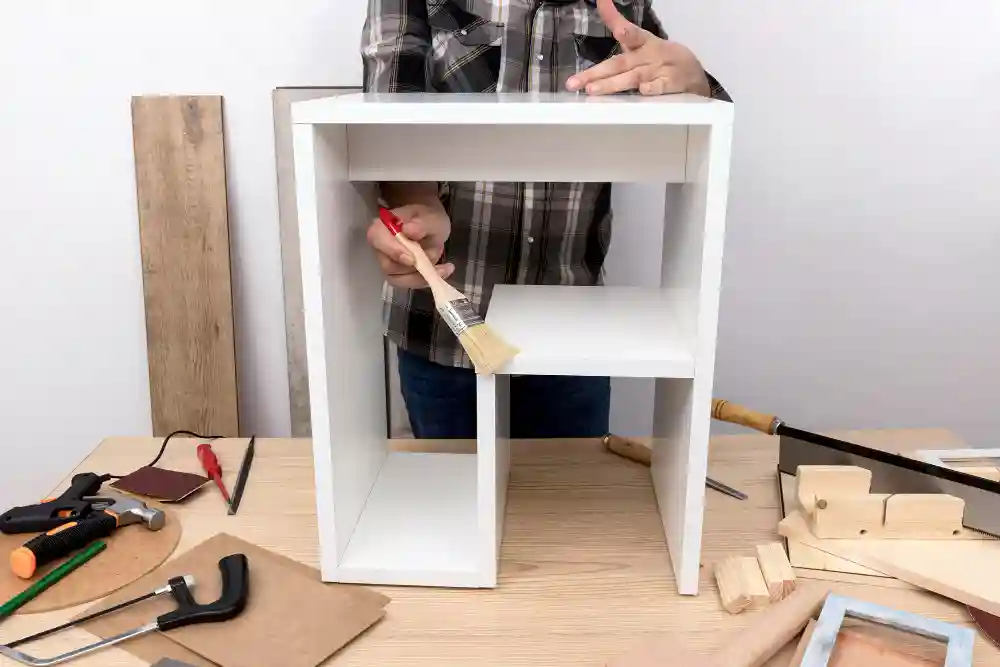
Carpentry work involves crafting and assembling wood structures, including cupboards. A cupboard is a storage unit with shelves and doors, commonly found in kitchens and bedrooms. Skilled carpenters use various tools and techniques to ensure durability and aesthetic appeal, tailoring designs to fit specific needs and spaces.
5.
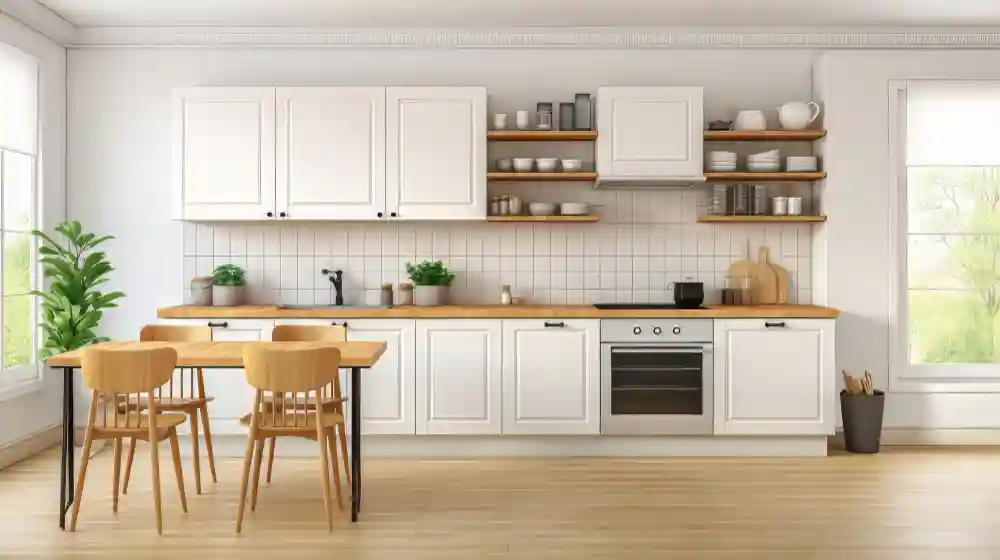
Modular kitchen installation involves assembling pre-fabricated cabinets, countertops, and appliances into a functional and stylish kitchen space. It offers customizable designs, efficient use of space, and easy maintenance. This process includes precise measurements, expert fitting, and integration of utilities, ensuring a seamless and convenient cooking environment.