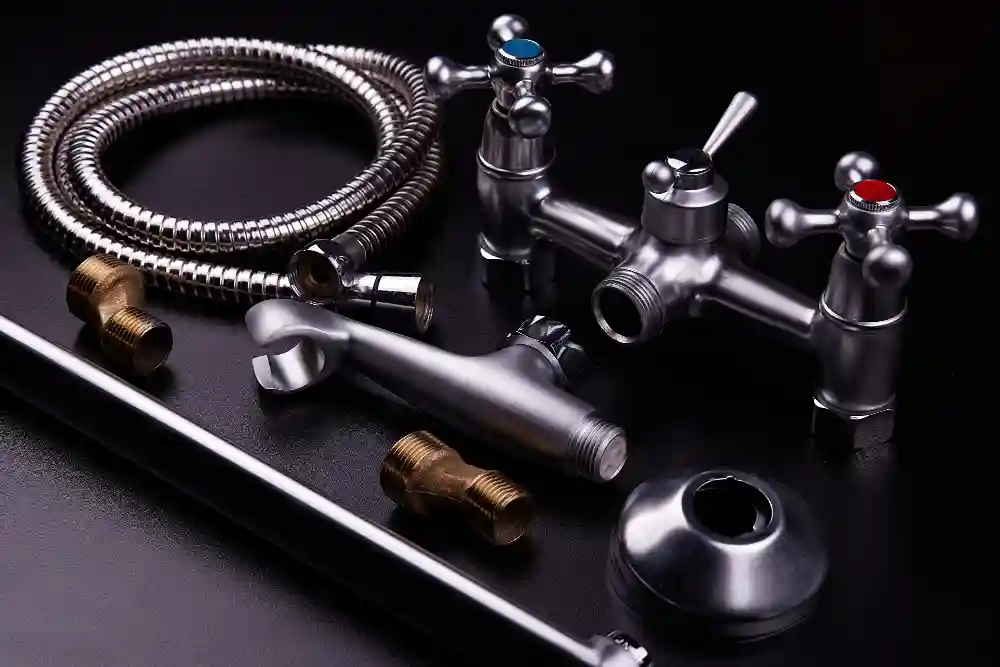
Plumbing fixtures and piping form the circulatory system of buildings, supplying water and removing waste. Faucets, sinks, toilets, showers, and pipes ensure water flows efficiently, maintaining hygiene and comfort. Modern innovations enhance efficiency and sustainability, from low-flow fixtures to eco-friendly materials, ensuring a greener future for plumbing infrastructure.
2.
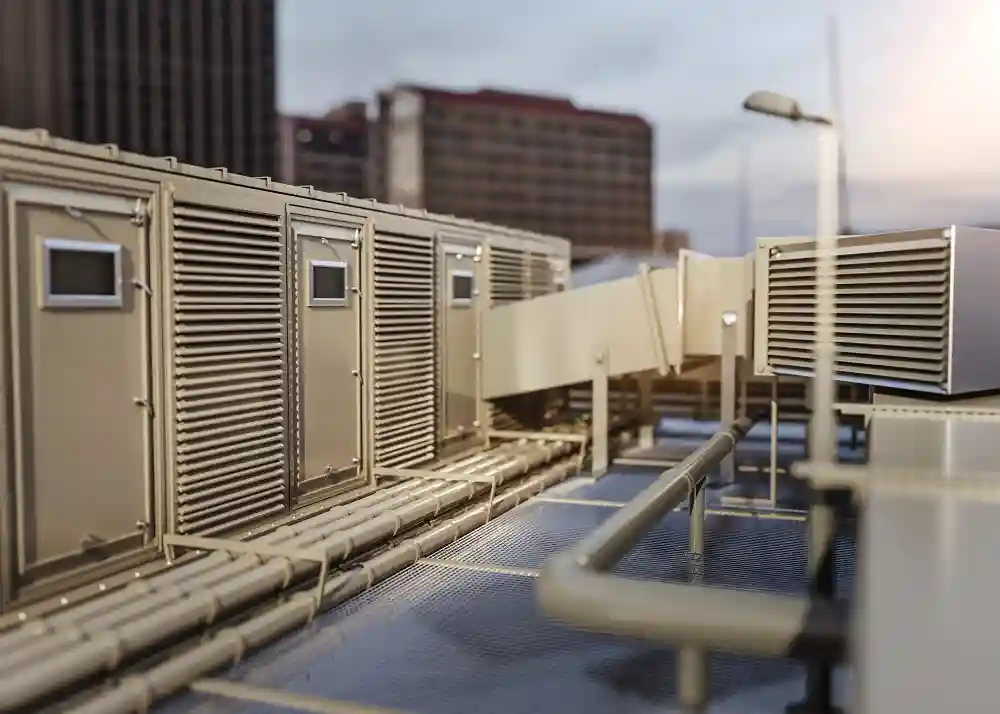
HVAC system installation involves intricate piping networks, integrating air handling units (AHUs) and ventilators for efficient airflow. Cooling units, like chillers or refrigeration systems, are integrated for temperature control. Control units manage the entire system, ensuring optimal performance and energy efficiency, crucial for comfortable and productive environments.
3.
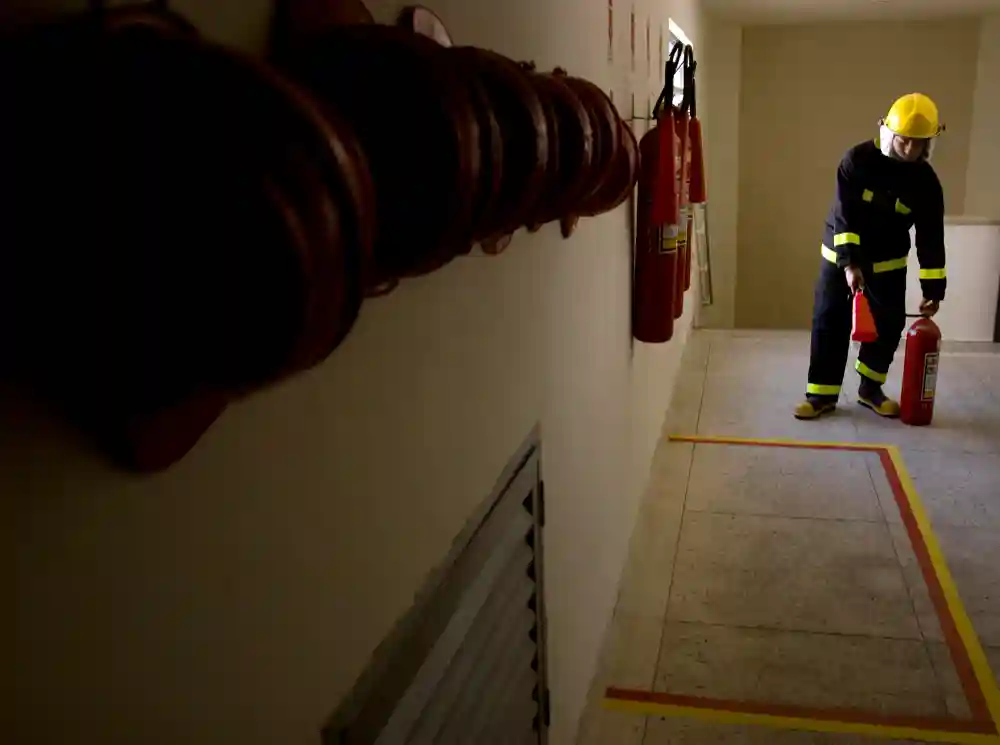
Fire and safety in construction involves implementing measures to prevent, detect, and mitigate fire hazards. This includes installing fire alarms, extinguishers, and emergency exits, conducting regular inspections, training workers in fire safety protocols, and adhering to building codes. Prioritizing safety ensures the well-being of workers and protects against potential disasters.