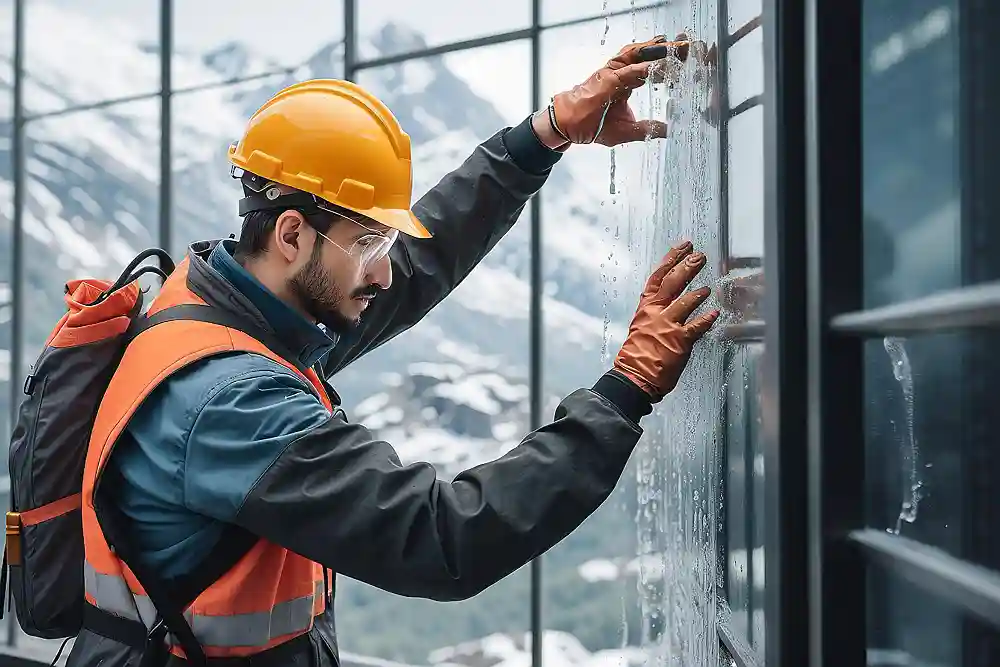
Toughened glass installations offer enhanced safety and durability, ideal for architectural features like windows, doors, and partitions. With increased resistance to impact and thermal stress, they minimize breakage risks. Popular in modern design, they provide both aesthetic appeal and structural integrity, elevating spaces with sleek, contemporary aesthetics.
2.
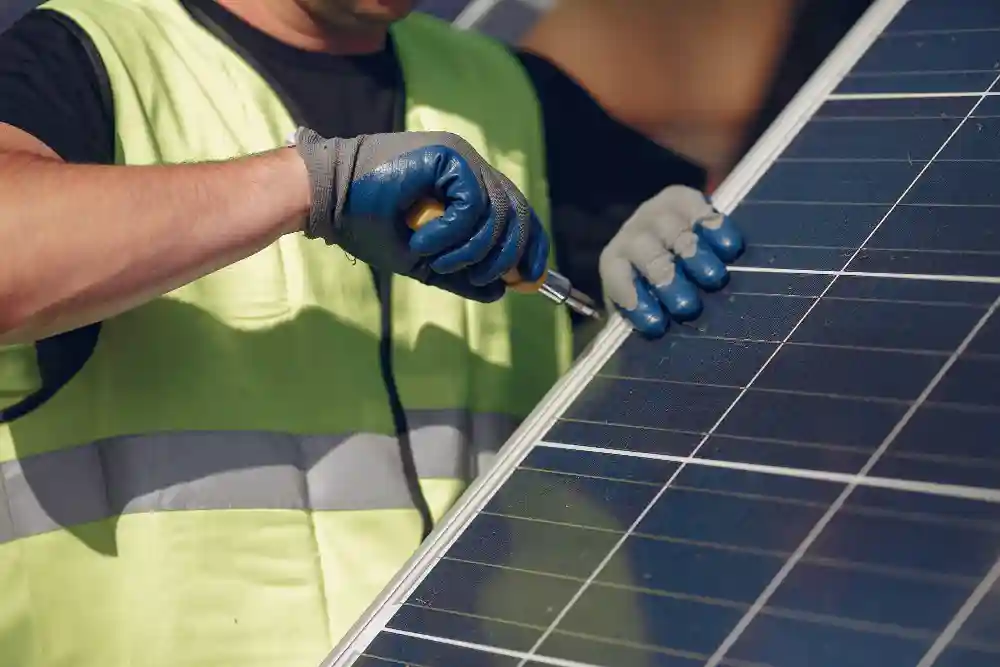
Solar panel and inverter (MPPT) installation harnesses sunlight, converting it into usable electricity. Panels absorb photons, generating DC power. The MPPT inverter optimizes energy output by adjusting voltage to match the panels’ optimum levels. Proper installation ensures efficient energy production, contributing to sustainable, cost-effective power solutions.
3.
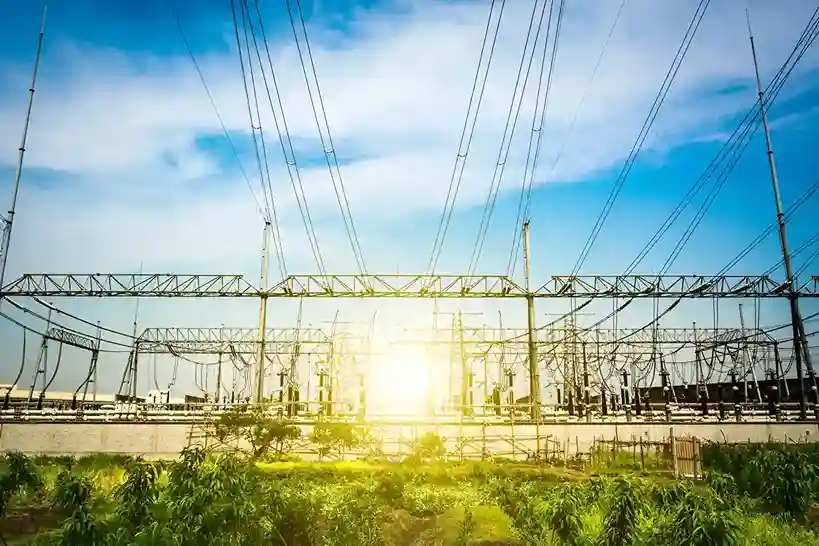
Grid systems are centralized networks delivering electricity, water, etc., to users. Off-grid refers to self-sufficient systems operating independently of centralized infrastructure. Off-grids utilize renewable sources like solar, wind, or generators. Grids offer reliability but vulnerability to outages, while off-grids provide autonomy but require initial investment and maintenance.
4.
Distributed Generation (DG) installation involves setting up small-scale power generation systems, such as solar panels or wind turbines, close to the point of use. This reduces transmission losses, enhances energy security, and supports renewable energy integration, promoting sustainability and resilience in the energy grid.
5.
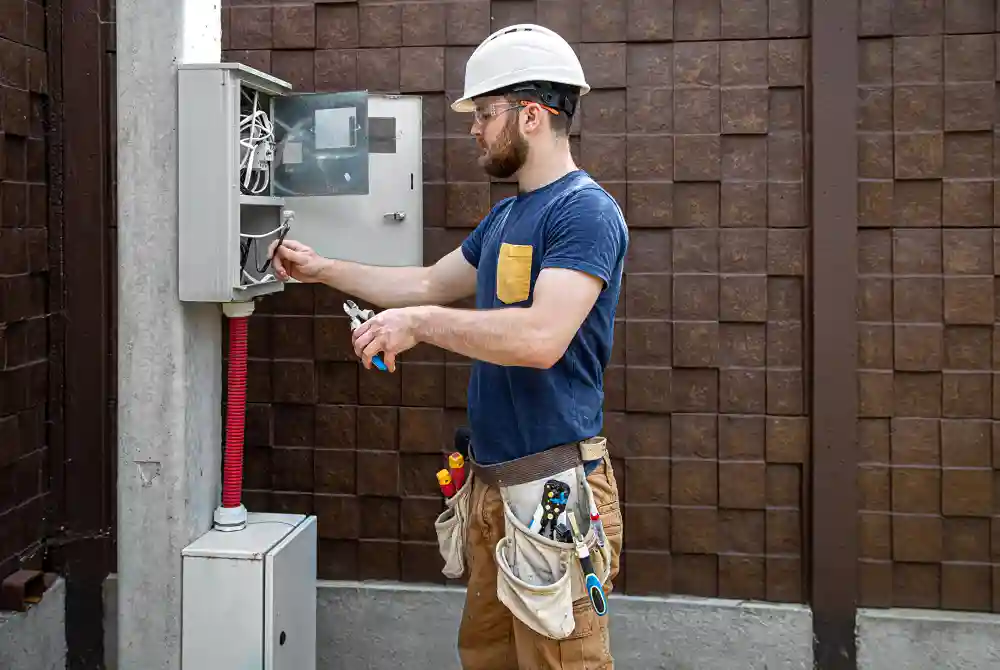
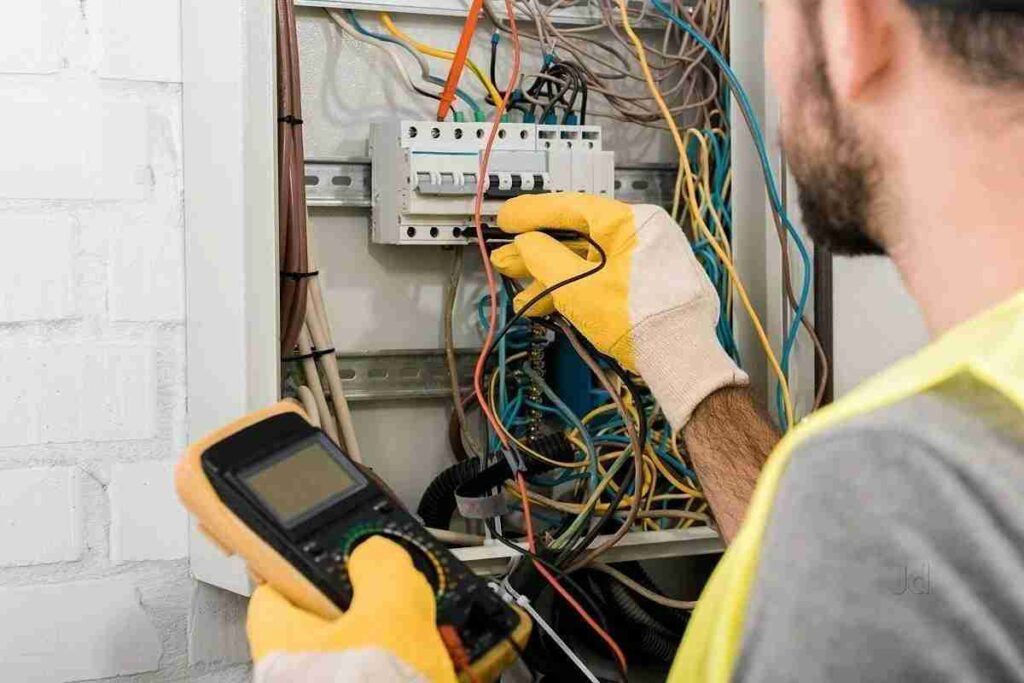
DB dressing in construction refers to the process of finishing and smoothing drainage boards (DB) to ensure proper water flow and prevent soil erosion. It involves cleaning, leveling, and compacting the surface around drainage installations, enhancing durability and functionality in various construction projects, especially in landscaping and roadworks.