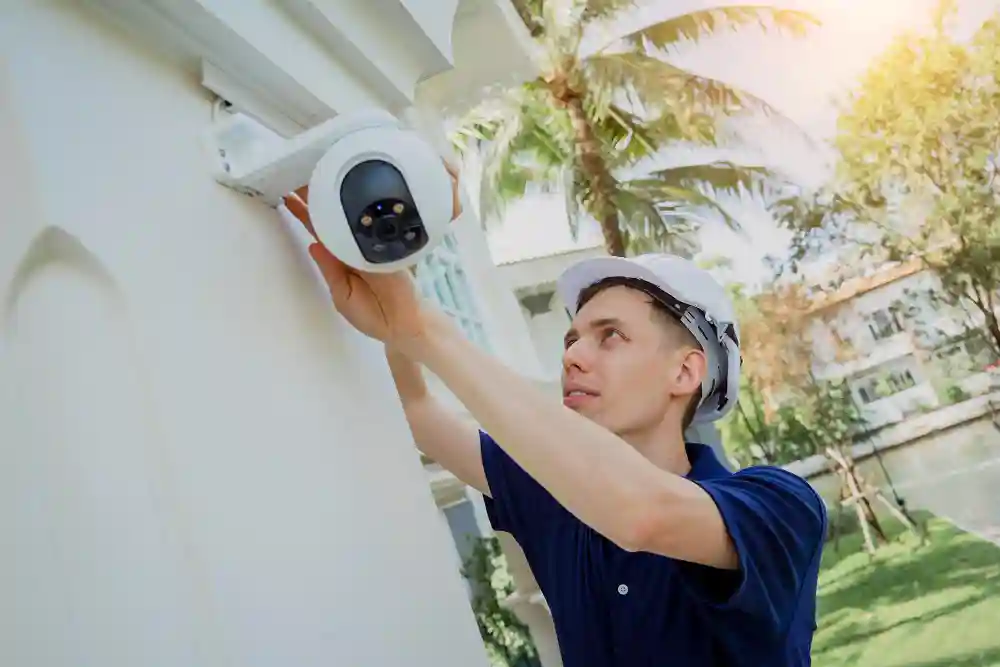
CCTV installation involves setting up surveillance cameras to monitor and record activity in various areas for security purposes. This process includes choosing suitable camera types, strategic placement, proper wiring, and configuring the system for remote access. It enhances safety, deters crime, and provides valuable footage for investigations.
2.
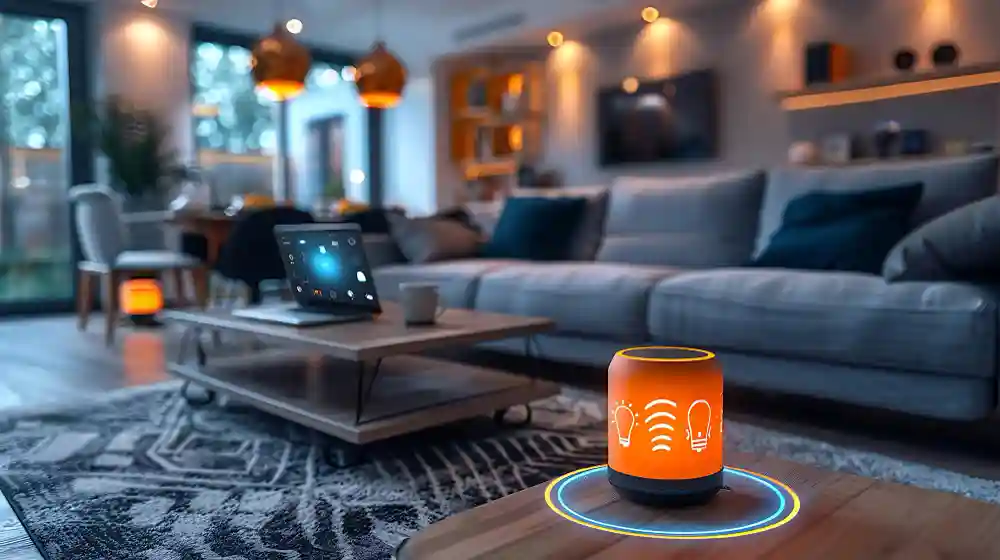
Home automation systems integrate smart devices and appliances to enable remote control and automation of household functions. They enhance convenience, security, and energy efficiency through centralized control via smartphones or voice commands. Key features include lighting control, temperature regulation, security systems, and entertainment management, creating a connected and intelligent living environment.
3.
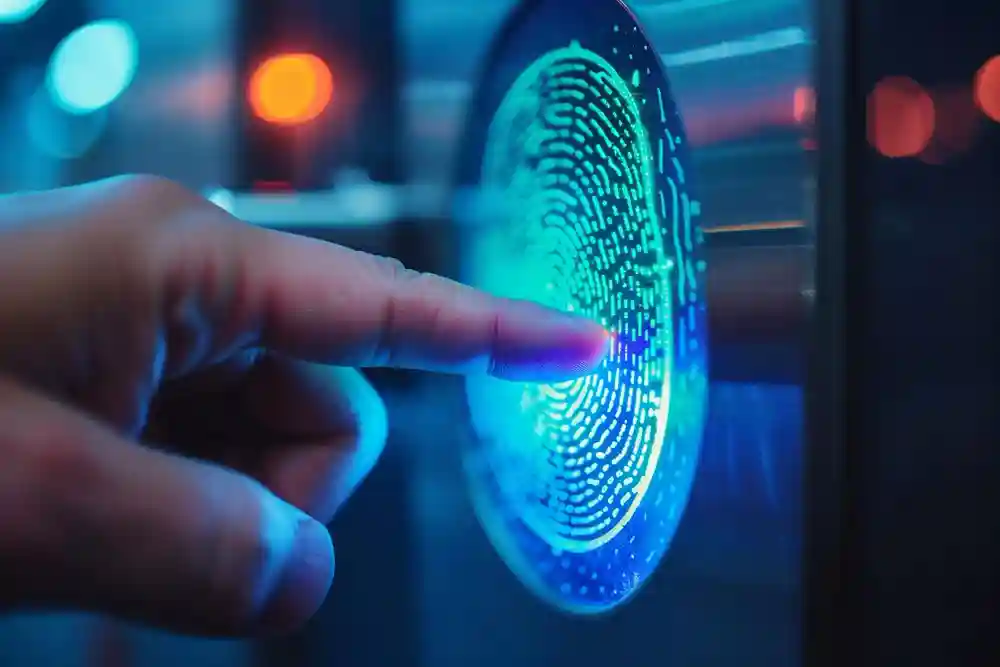
Motion sensors, fingerprint, and face access systems enhance security by detecting movement, verifying identity through unique fingerprint patterns, and recognizing facial features. These technologies are used in various applications, including home security, smartphones, and access control systems, offering convenience, accuracy, and improved protection against unauthorized access.
4.
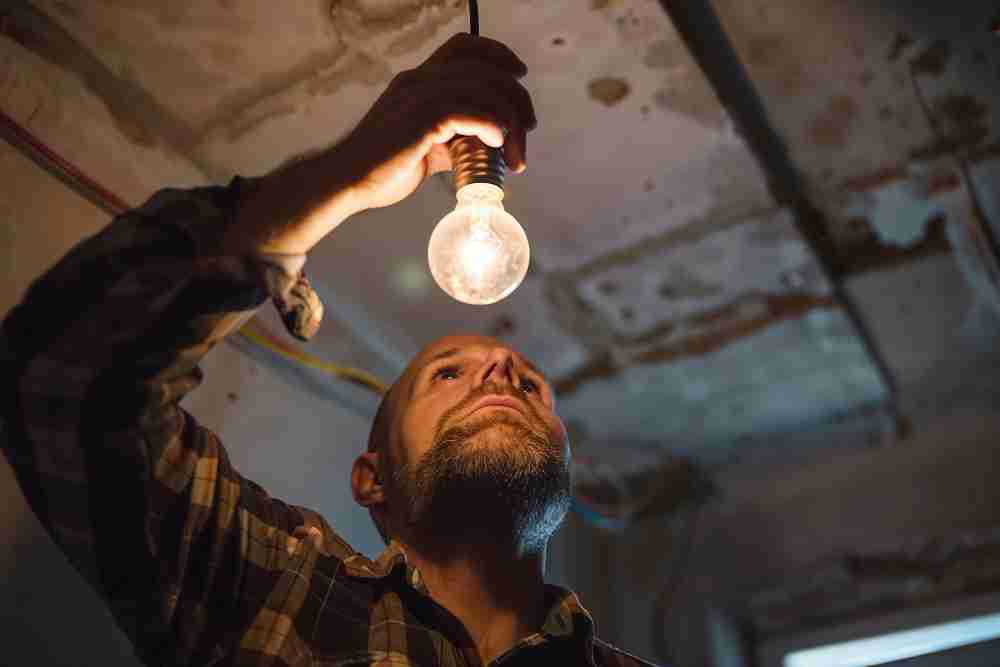
Lighting installation involves setting up electrical systems to provide illumination in various spaces. It includes planning, wiring, and installing fixtures like lamps, chandeliers, and LED systems. Proper lighting enhances ambiance, improves functionality, and ensures safety. Skilled electricians follow building codes and standards to achieve efficient and aesthetically pleasing results.
5.
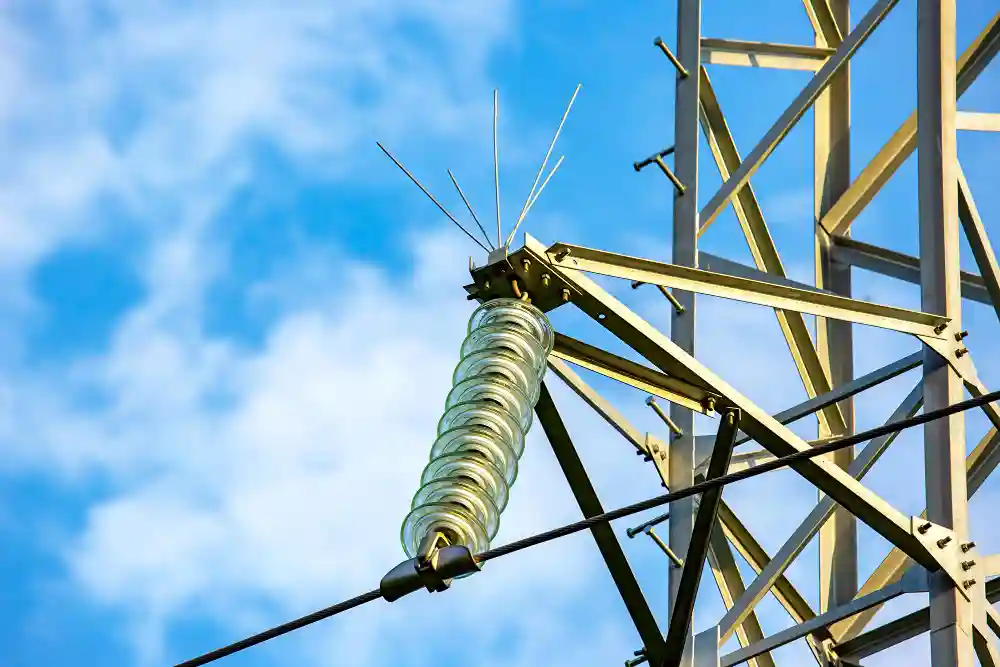
A lightning arrester is installed to protect electrical systems from lightning-induced surges. It is typically mounted on transmission lines, transformers, and substations. The device diverts excessive voltage to the ground, preventing damage. Proper installation involves grounding, spacing, and connection checks to ensure effective surge protection and system reliability.