1.
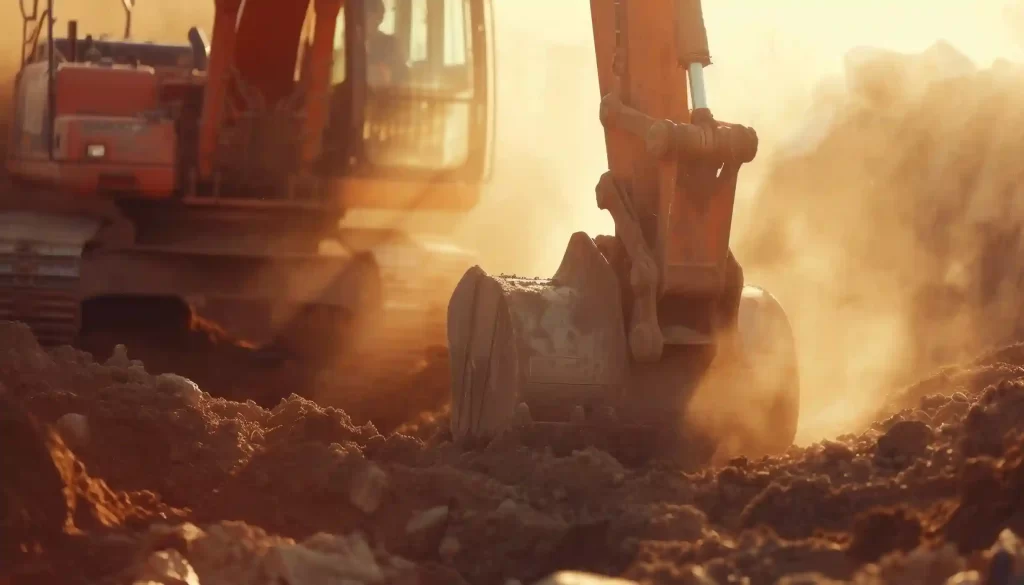
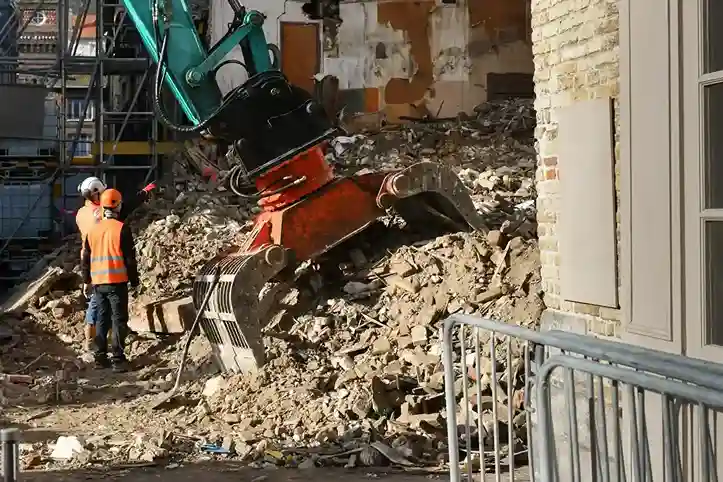
Site clearance is a critical preparatory process in construction and development projects, involving the removal of obstacles such as trees, vegetation, debris, existing structures, and any other impediments on the land intended for new construction. This phase ensures that the site is free from any elements that could hinder the building process or pose safety hazards. It typically includes tasks like demolition, excavation, and grading to create a clean and level foundation. Effective site clearance not only facilitates smooth progress for subsequent construction activities but also helps in complying with environmental regulations and safety standards. Proper management and execution of site clearance are essential for minimizing delays and avoiding additional costs, thereby contributing to the overall success of the project.
2.
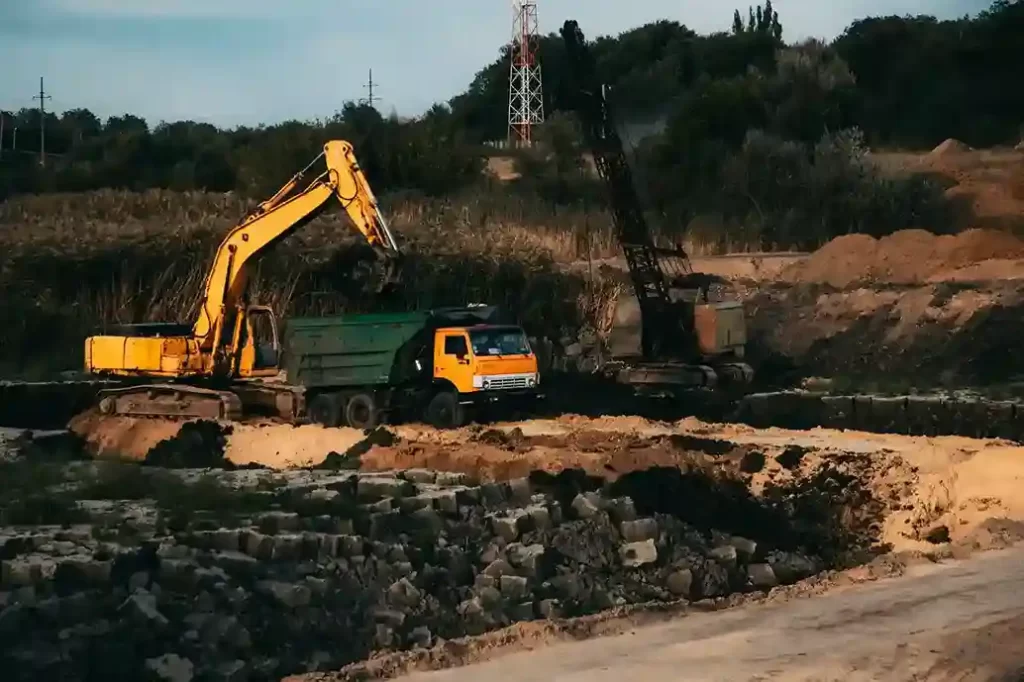
Earth excavation is a crucial process in construction and civil engineering, involving the removal of soil, rock, or other materials to create foundations, trenches, or embankments for various structures. This process is essential for preparing the land for building projects such as roads, bridges, buildings, and pipelines. Techniques used in earth excavation include manual digging, machinery like backhoes and bulldozers, and more advanced methods such as hydraulic excavation and blasting. Proper planning and execution of earth excavation ensure the stability and safety of the construction site, as well as compliance with environmental and regulatory standards. Effective excavation also involves managing the removed material, either by disposing of it, recycling it, or reusing it in the project to minimize waste and environmental impact.
3.
Foundation work involves the essential processes of constructing or repairing the base upon which a building stands. This critical aspect of construction ensures the stability, safety, and longevity of the structure. The work typically includes tasks such as laying concrete footings, installing pilings, and waterproofing to protect against moisture. In the context of repairs, foundation work may involve addressing issues like cracks, settling, or shifting caused by soil conditions, water damage, or natural wear over time. Proper foundation work is crucial as it supports the entire building, preventing structural failures and ensuring the integrity of the architecture above. It often requires a combination of engineering expertise, specialized equipment, and adherence to building codes and standards to achieve a durable and reliable foundation.