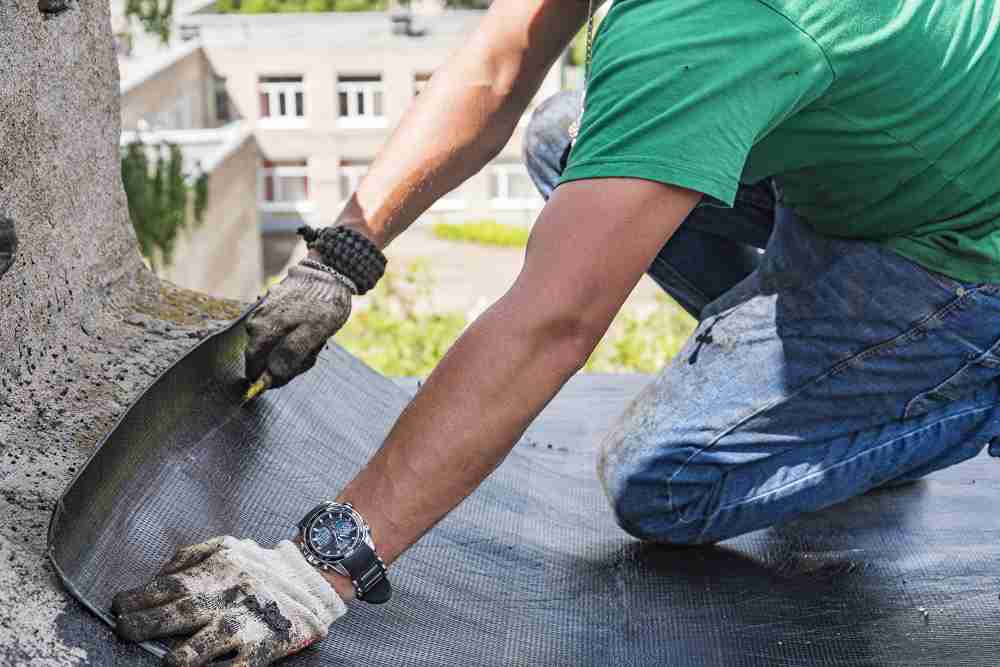
The final waterproofing layer and finish are crucial for protecting structures from moisture. Applied atop substrates, such as roofs or basements, it seals against leaks and enhances durability. Materials like elastomeric coatings or polyurethane provide resilience and aesthetic appeal, ensuring long-lasting water resistance and a polished appearance.
2.
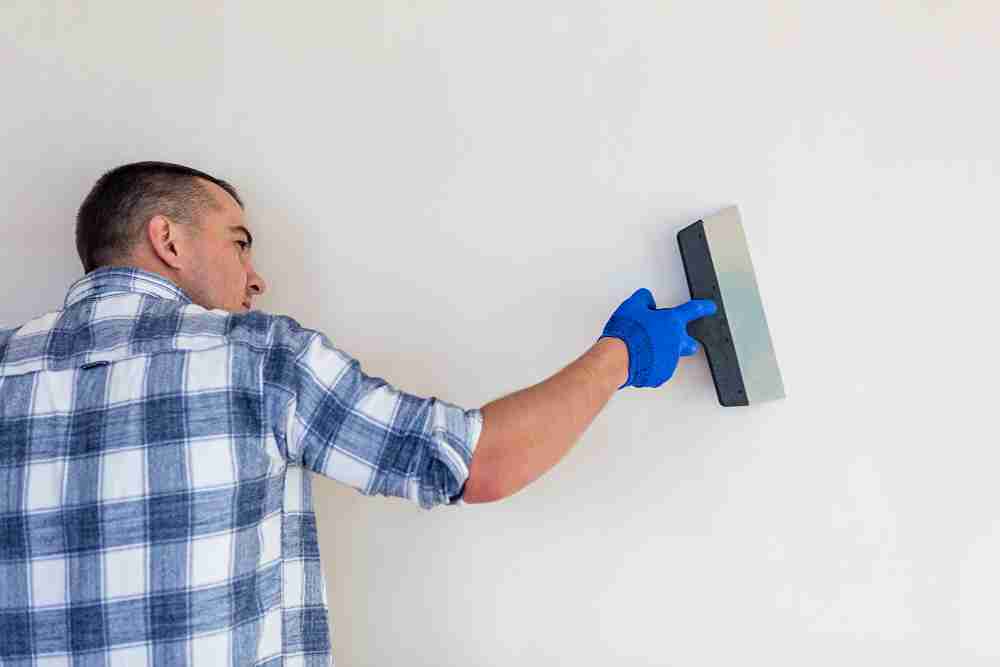
Detailing and touch-up painting enhance the aesthetic and structural integrity of vehicles or structures. Detailing involves meticulous cleaning and restoration, while touch-up painting addresses minor imperfections to maintain appearance and prevent corrosion. Both processes require precision and expertise to achieve a flawless finish and extend longevity.
3.
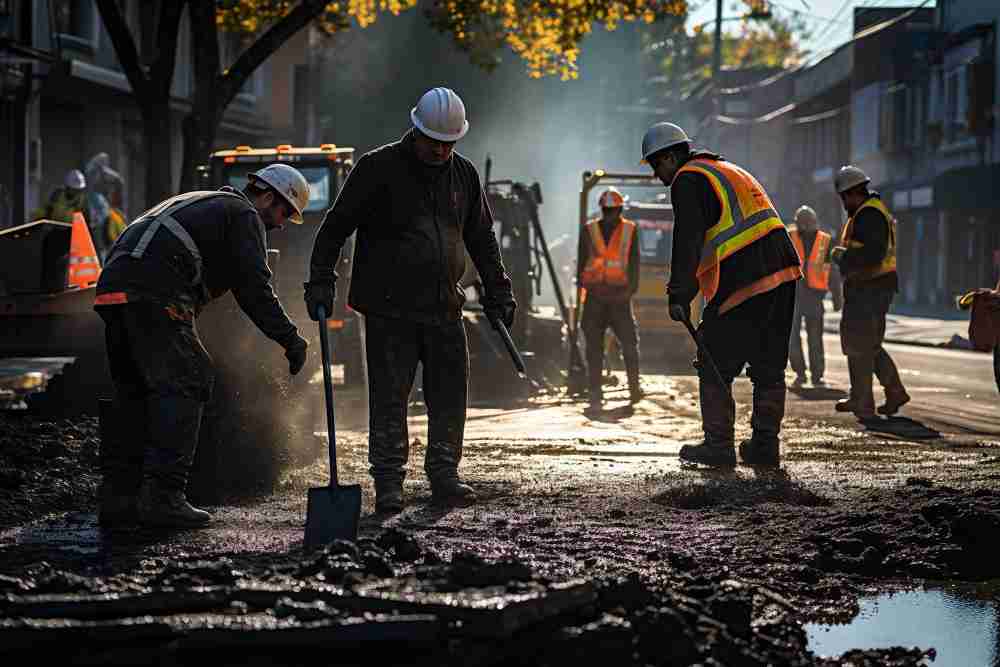
Final cleanup and site preparation ensure a pristine environment post-project completion. This phase involves removing debris, restoring landscapes, and addressing any environmental impacts. It’s crucial for safety, aesthetics, and compliance with regulations. Attention to detail during this stage guarantees a smooth handover and minimizes ecological footprints.
4.
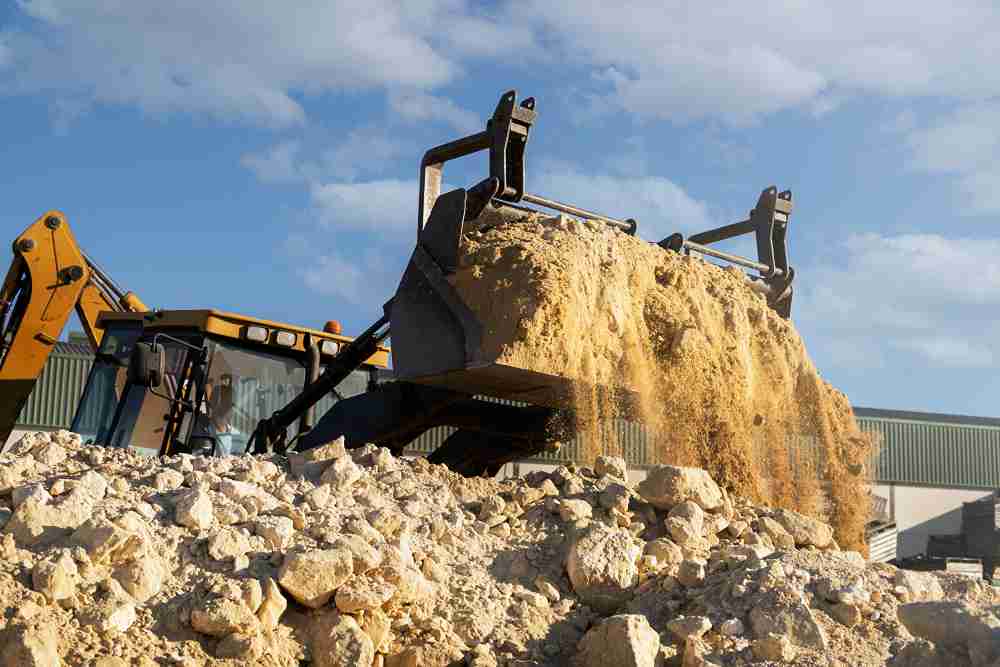
Building waste disposal involves the removal and recycling of construction debris such as concrete, wood, and metals. Proper disposal is crucial for environmental sustainability, reducing landfill waste, and often involves sorting materials for recycling. Regulations ensure safe handling of hazardous materials like asbestos and chemicals to protect public health.