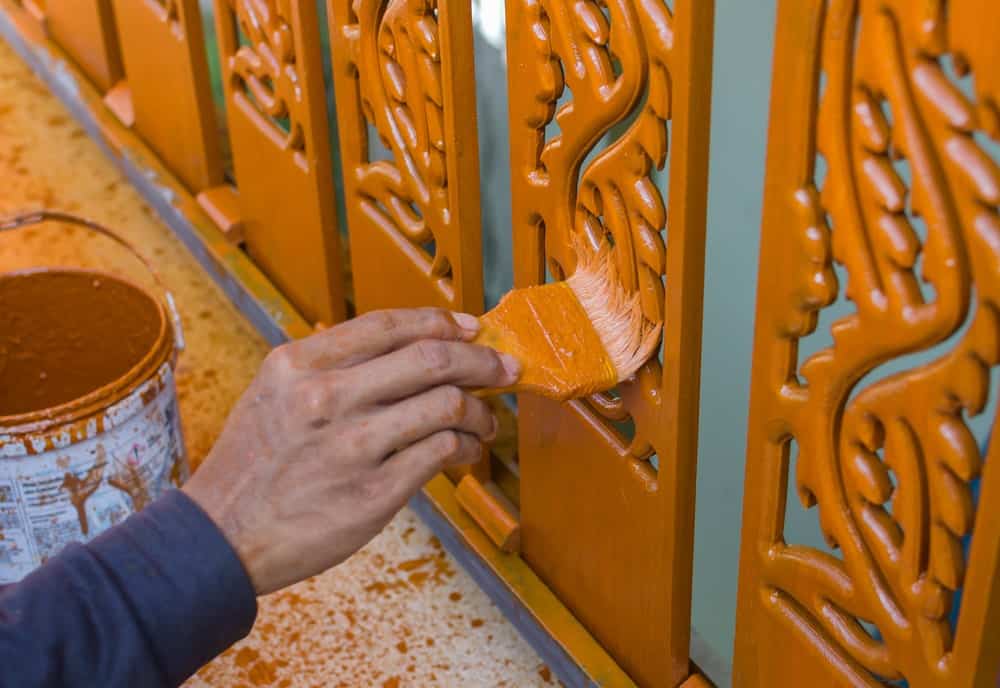
Putty is a versatile material widely used in the realm of painting and construction. It serves various purposes, primarily in preparing surfaces for painting. Often composed of a mixture of materials such as chalk, gypsum, and linseed oil, putty is applied to fill cracks, holes, and imperfections in walls, woodwork, and other surfaces. Its pliable consistency allows it to be easily molded and shaped to achieve a smooth and uniform surface, ensuring an optimal canvas for paint application. Additionally, putty aids in enhancing the durability and longevity of painted surfaces by providing a solid foundation and minimizing the risk of paint peeling or cracking over time. Its usage is not limited to professional painters but also extends to DIY enthusiasts seeking to achieve professional-quality results in their painting projects. Overall, putty plays a crucial role in the painting process, contributing to the overall aesthetics and longevity of finished surfaces.
2.
A primer in painting serves as a crucial preparatory layer applied to surfaces before the actual paint. It acts as a foundation, enhancing adhesion between the surface and the paint layers while providing a uniform base for paint application. Primers come in various formulations tailored to different surfaces, such as wood, metal, or drywall, and they address specific needs like sealing porous surfaces, blocking stains, or promoting rust resistance. Additionally, primers can improve paint durability, color accuracy, and overall finish quality. They also help to minimize the number of paint coats required, saving time and resources. In essence, primers play a pivotal role in ensuring a smooth, long-lasting, and professional-looking paint job.
3.
In the realm of painting, emulsion plays a pivotal role, serving as a versatile medium beloved by artists for its unique properties. Emulsion, typically a mixture of water, pigment, and a binding agent like acrylic or latex, forms the basis of many modern paints. Its composition allows for easy application, smooth blending, and rapid drying, making it an ideal choice for both amateur and professional painters alike. Emulsion paints offer a wide range of finishes, from matte to glossy, catering to diverse artistic preferences and practical needs. Moreover, emulsion paints are renowned for their durability and resistance to fading, ensuring that artworks retain their vibrancy and integrity over time. With its flexibility, accessibility, and reliability, emulsion continues to be a cornerstone of the contemporary painting landscape, inspiring creativity and enabling expression across various artistic endeavors.
4.
Enamel painting is a time-honored technique within the realm of painting, distinguished by its vibrant colors and glossy finish. Utilizing enamel paints, which are composed of pigments mixed with a glassy binder, this method allows artists to achieve a smooth and durable surface that retains its luster over time. Originating in ancient Egypt and Mesopotamia, enamel painting has evolved through the centuries, finding prominence in various cultures such as Byzantine and Renaissance Europe. Artists employ enamel painting on diverse surfaces, including metal, glass, and ceramics, allowing for intricate designs and meticulous detailing. The process typically involves multiple layers of paint, each meticulously applied and fired in a kiln to fuse with the underlying surface, creating a permanent and resilient artwork. Enamel painting continues to captivate artists and enthusiasts alike, offering a timeless allure through its exquisite craftsmanship and enduring beauty.