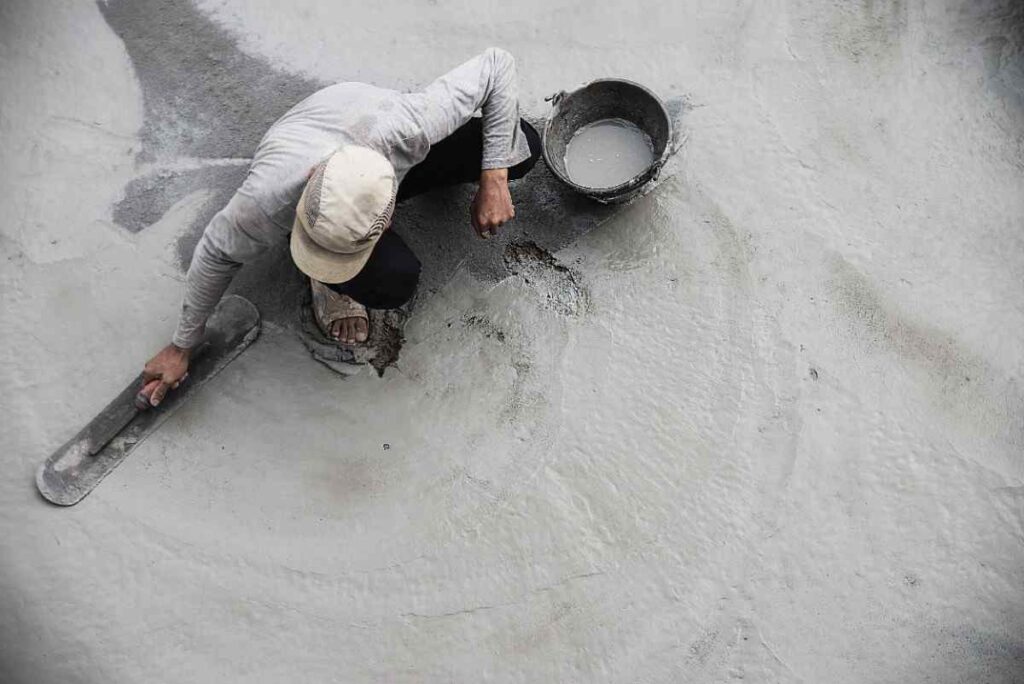
PCC, or Plain Cement Concrete, plays a crucial role in tiling projects, serving as a sturdy base for the installation of tiles. Before laying tiles, it is essential to prepare the surface adequately, and PCC provides the necessary foundation. Typically composed of cement, coarse aggregates, and water, PCC is poured and leveled to create a smooth and uniform surface. This concrete layer helps to distribute the weight of the tiles evenly, ensuring structural integrity and preventing cracks or unevenness in the finished tiled surface. Additionally, PCC enhances the durability of the tiling by offering a solid substrate that resists moisture and provides a stable base for adhesion. Its role in tiling projects is indispensable, contributing to the longevity and quality of the final tiled surface.
2.
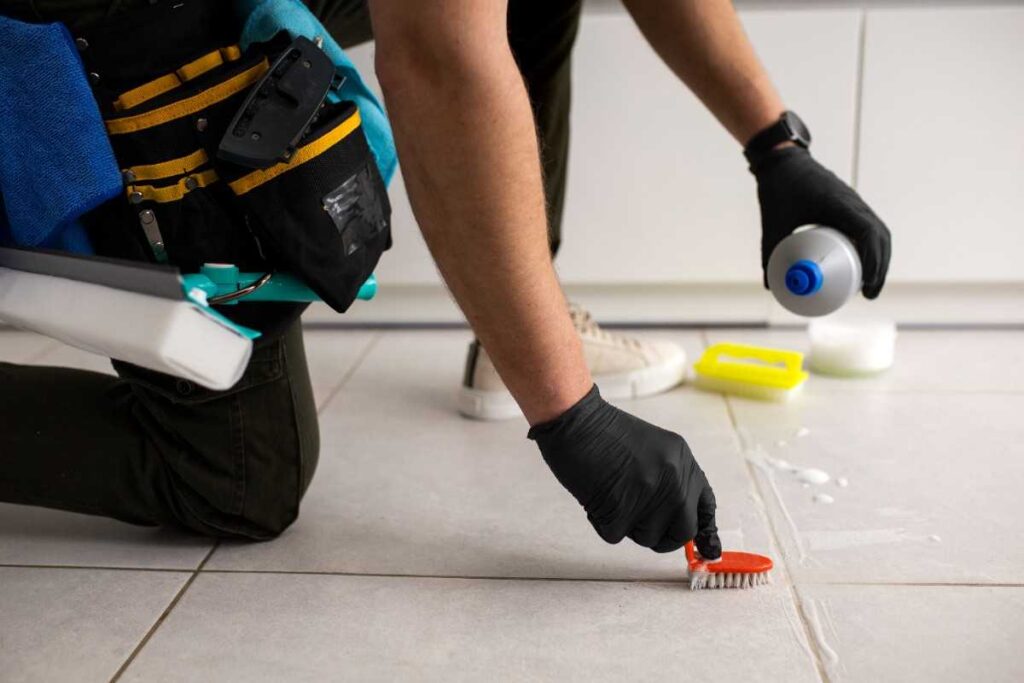
Grouting plays a pivotal role in the finishing touches of tiling projects, serving as the binding agent that fills the gaps between tiles. It not only enhances the aesthetic appeal by providing a seamless appearance but also contributes significantly to the structural integrity of the tiled surface. Typically composed of a mixture of cement, water, and additives, grout is applied evenly between tiles using a rubber float, ensuring a snug fit and preventing moisture penetration. Beyond its functional aspect, grouting offers versatility in design, with a myriad of color options available to complement or contrast with the tiles, further accentuating the overall aesthetic of the space. Moreover, grout serves as a protective barrier, shielding the edges of tiles from damage and reinforcing the durability of the tiled surface against wear and tear. Whether it’s a kitchen backsplash, bathroom floor, or outdoor patio, grouting is an essential component in achieving a polished and long-lasting tiled finish.
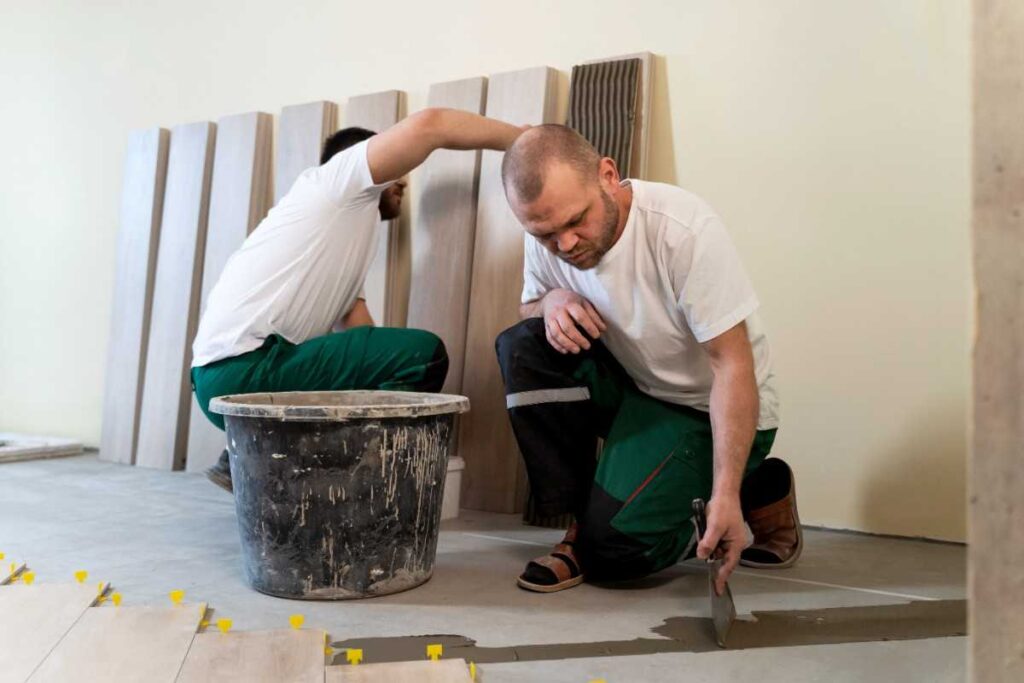
3.(Laying Tiles)
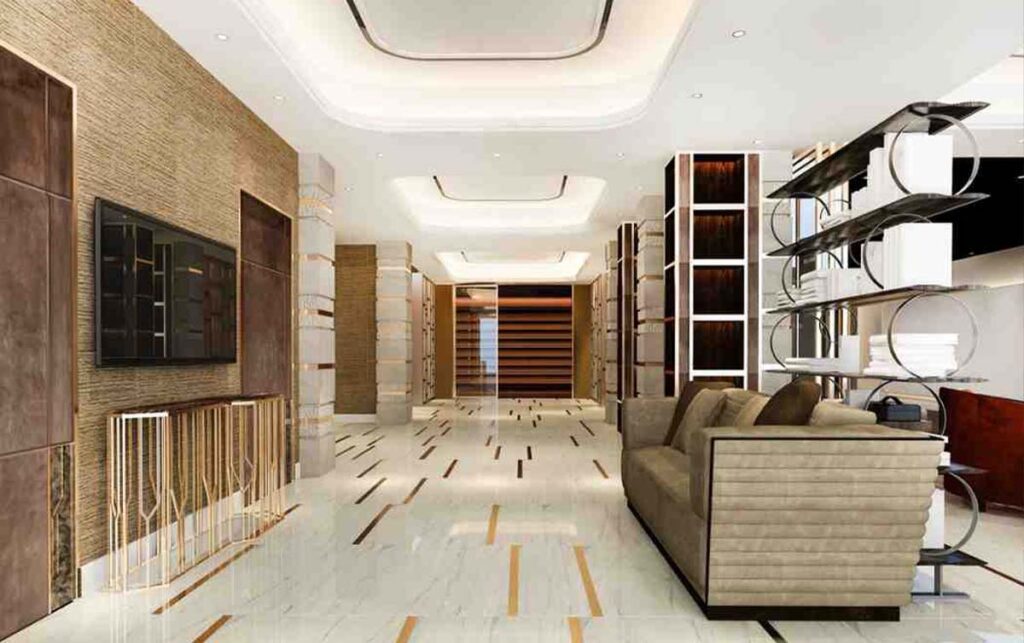
Tiling is a versatile and enduring method of surfacing, utilized extensively in architectural and interior design. It involves the application of ceramic, porcelain, or stone tiles to cover various surfaces such as floors, walls, and occasionally ceilings. Renowned for its durability and aesthetic appeal, tiling offers both functional and decorative benefits. From sleek and modern porcelain tiles adorning kitchen floors to intricate mosaic designs embellishing bathroom walls, the versatility of tiling knows no bounds. Its ability to withstand moisture, wear, and tear makes it particularly well-suited for areas prone to high traffic and exposure to water. Beyond its practical advantages, tiling allows for an array of creative expressions, enabling designers to craft unique atmospheres and enhance the visual appeal of any space. Whether employed in residential or commercial settings, tiling remains a timeless and reliable choice, seamlessly blending form and function to create enduring environments.
4.
Epoxy plays a crucial role in modern tiling applications, offering enhanced durability and aesthetics. Widely used as a bonding agent and grout, epoxy ensures a strong and lasting adhesion between tiles and substrates, minimizing the risk of tile displacement or damage over time. Its waterproof properties make it particularly suitable for areas prone to moisture, such as bathrooms, kitchens, and outdoor spaces. Additionally, epoxy grout resists stains and discoloration, maintaining the pristine look of tiled surfaces for longer periods. Beyond its functional benefits, epoxy also allows for creative expression through various color options and finishes, enabling designers and homeowners to achieve customized looks that complement their spaces. From sleek and minimalist designs to intricate patterns and mosaics, epoxy enhances the visual appeal of tiled surfaces while providing unmatched durability and longevity.