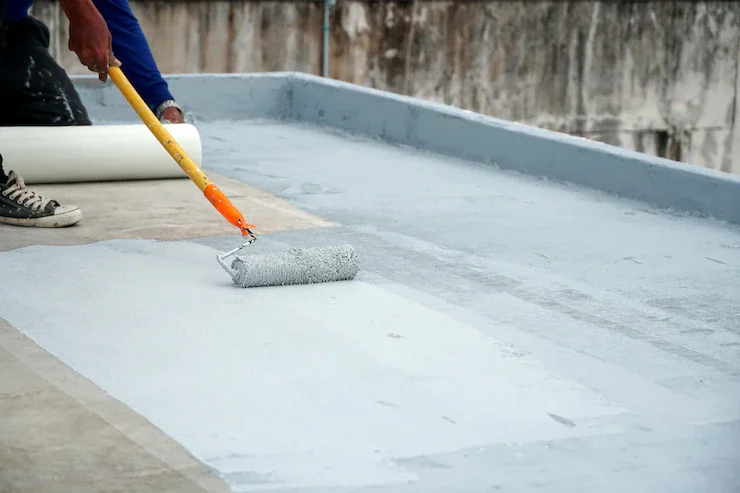
Waterproofing is essential in construction to prevent water ingress and damage to structures. Methods include membranes, sealants, and coatings applied to roofs, basements, and foundations. Effective waterproofing extends the lifespan of buildings and protects against mold, corrosion, and structural deterioration caused by moisture penetration.
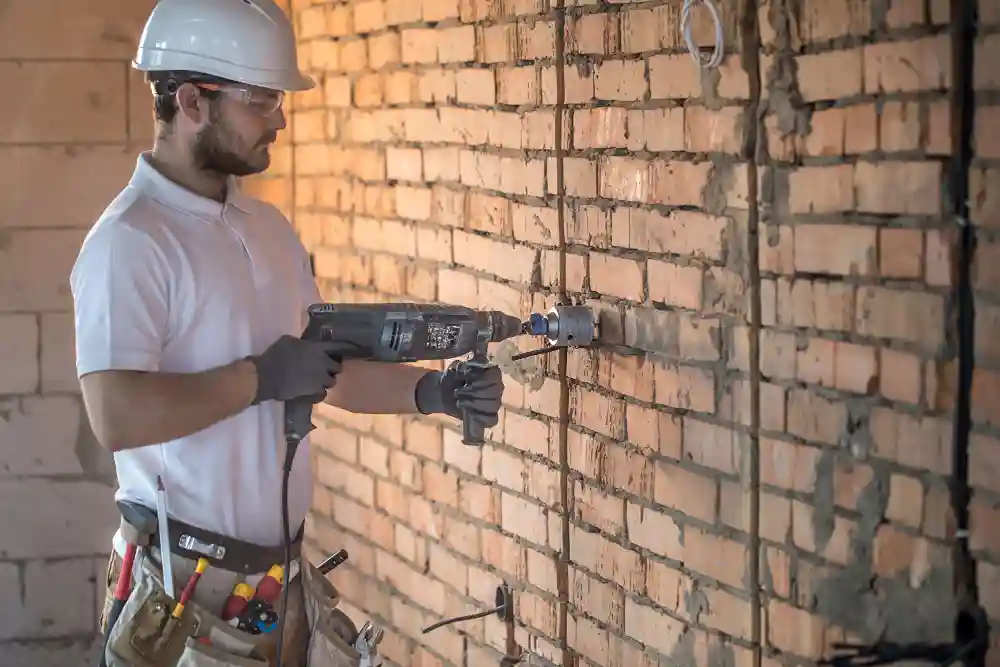
Wall erection, whether brickwork or blockwork, involves laying bricks or blocks in mortar to construct vertical structures. This process requires precise alignment, level, and spacing to ensure structural integrity. Typically, layers are built incrementally, with each layer given time to set before adding the next.
3.
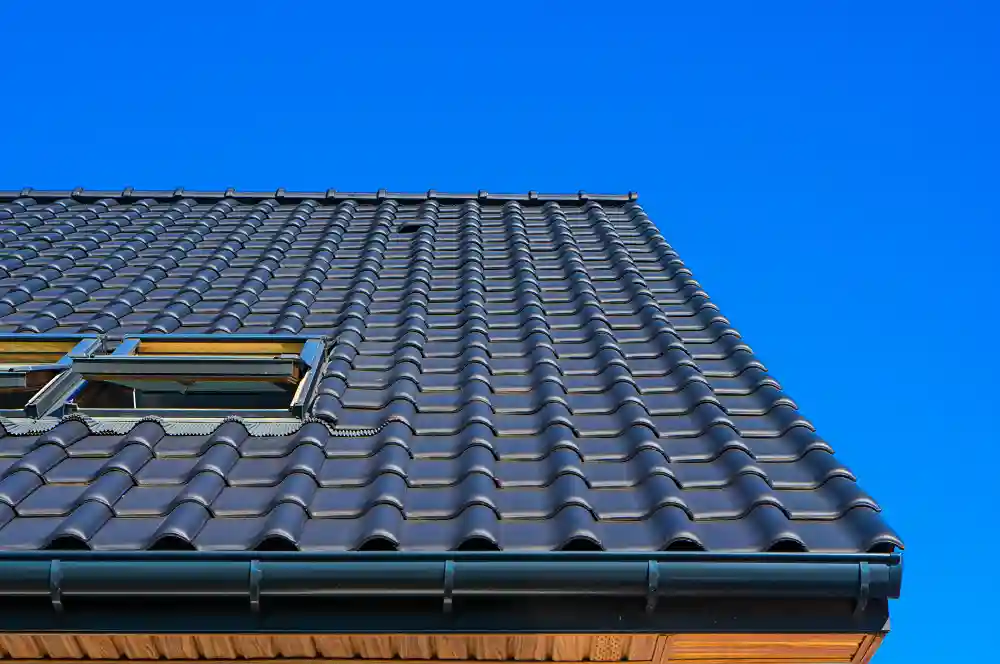
It involves the construction and maintenance of roofs, providing protection from weather elements. Materials like shingles, tiles, metal, and slate are commonly used. Proper roofing ensures insulation, drainage, and durability, enhancing a building’s structural integrity and energy efficiency. Regular inspections and repairs are crucial for long-term performance.
4.
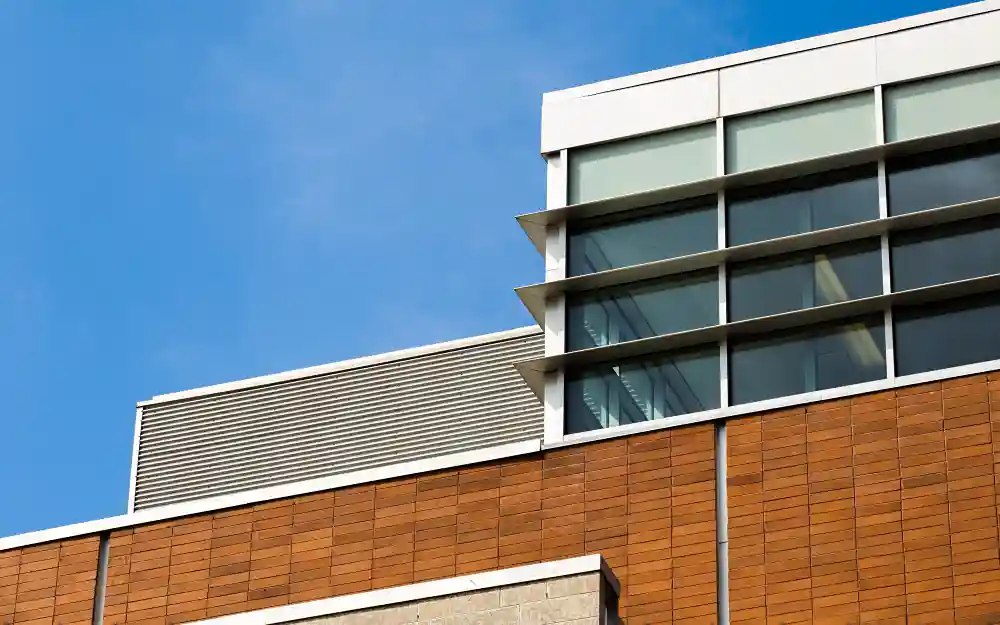
This involves enhancing a building’s outer appearance and functionality using ACP (Aluminium Composite Panel) works and external paint. ACP provides a durable, lightweight, and weather-resistant surface, while high-quality paints add aesthetic value and protection against environmental elements, ensuring longevity and visual appeal.
5.
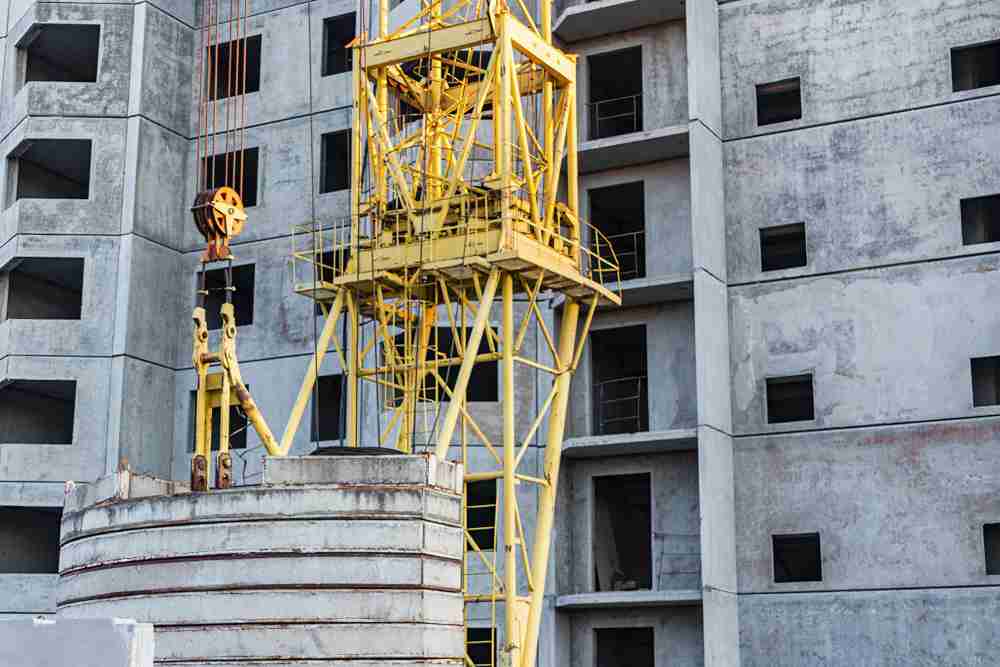
Building lifting is a structural technique where a building is physically raised from its foundation. This method is used for various reasons like adding storeys, flood prevention, or repairing foundations. Hydraulic jacks or screw jacks are employed to elevate the structure incrementally, ensuring stability throughout the process.
6.
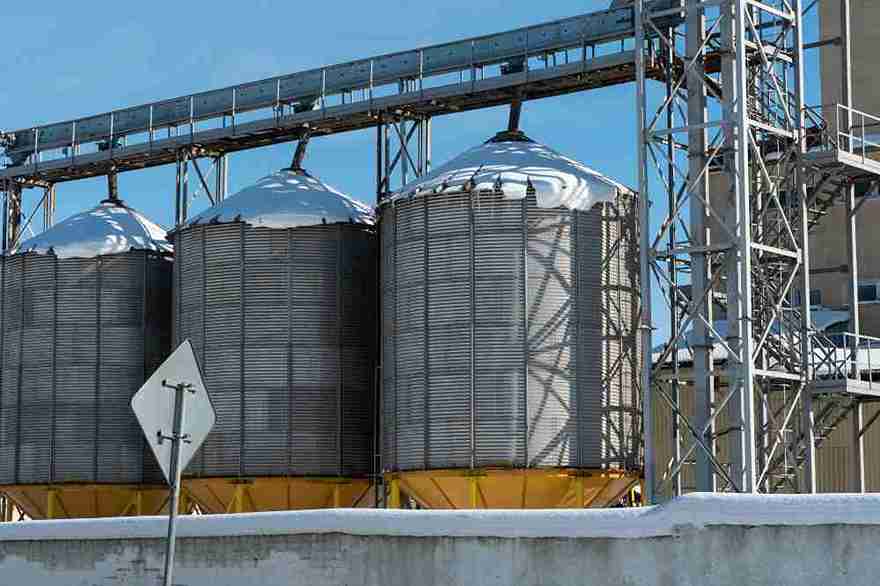
A concrete storage tank is a durable structure used to collect and store rainwater in rain harvesting systems. These systems capture and channel rainwater from roofs or surfaces into the tank, providing a sustainable water source for irrigation, household use, or groundwater replenishment, thus conserving water and reducing runoff.
7.
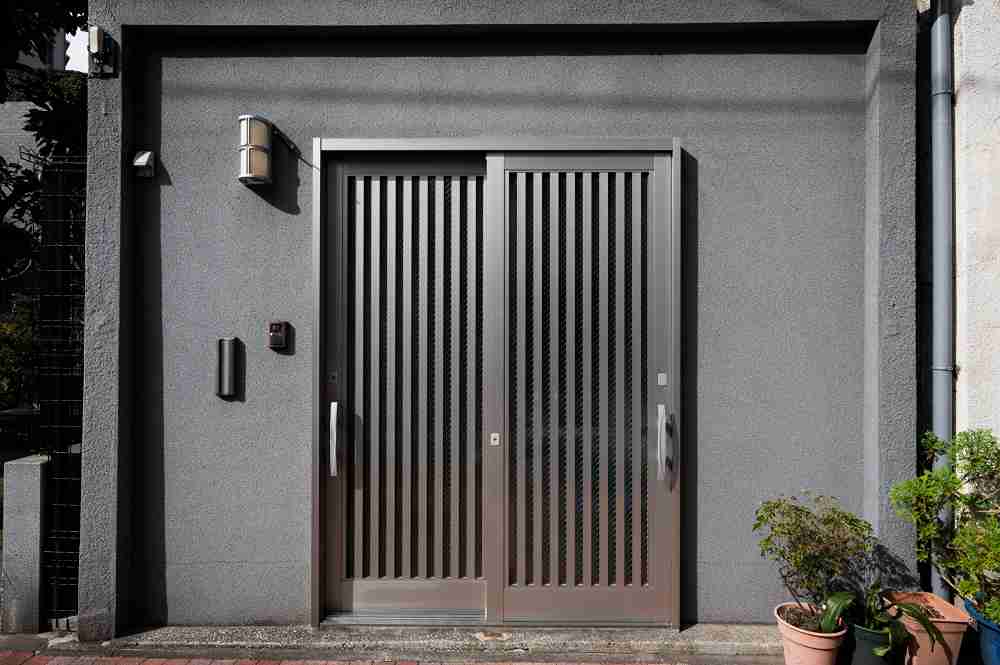
Shutters, doors, gates, and barricades are physical barriers used for security and access control. Shutters roll down to cover windows, doors provide entryways, gates regulate passage, and barricades block or limit access. Each serves a unique function in protecting property and managing the movement of people or vehicles.
8.
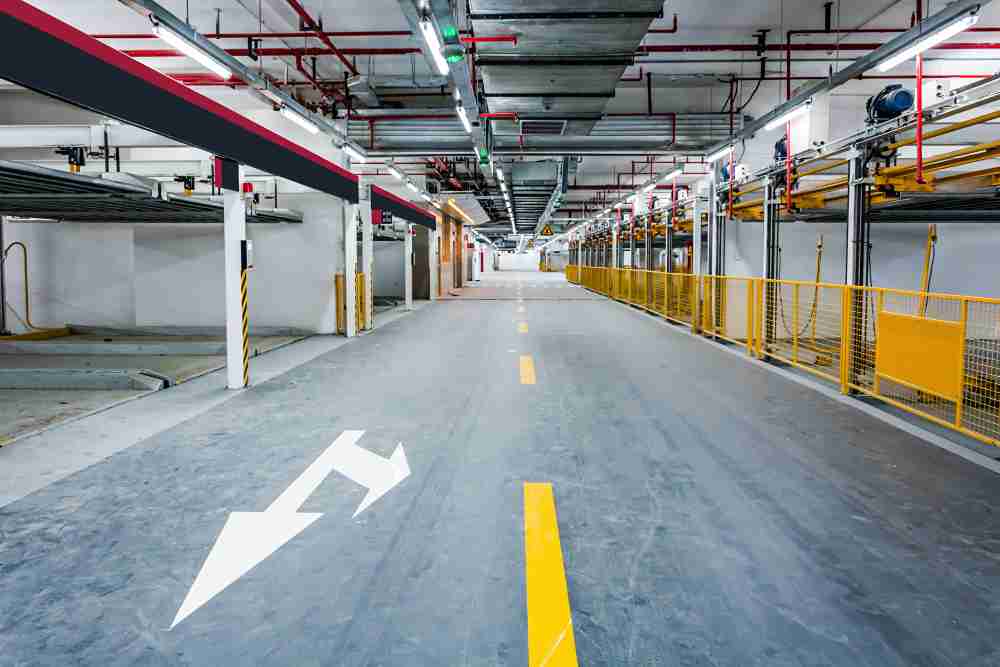
Constructing a parking area involves site preparation, grading, and drainage installation. Paving materials, typically asphalt or concrete, are then laid. Markings for parking spaces and signage follow. Lighting and landscaping enhance safety and aesthetics. Proper planning ensures efficient use, accessibility, and compliance with local regulations and environmental considerations.
9.
Weighbridge installation involves setting up a large, ground-level platform used to weigh vehicles. It requires site preparation, foundation construction, and precise calibration. Typically utilized in industries like transportation, construction, and agriculture, the installation ensures accurate weight measurement for regulatory compliance, load management, and safety purposes.
10.
Interior design and session planning involve creating aesthetically pleasing and functional spaces tailored to clients’ needs. This process includes selecting colors, furniture, and decor while ensuring the space supports intended activities. Effective planning maximizes utility, comfort, and style, fostering environments conducive to productivity, relaxation, or social interaction.
11.
Interior design involves creating aesthetically pleasing and functional spaces within a building. It encompasses selecting color schemes, furniture, and décor. Session planning, in the context of design, refers to organizing and scheduling the stages of the design process, ensuring efficient workflow and timely project completion. Both require creativity and strategic thinking.
12.
Aluminium fabrications and fencing offer durable, lightweight, and corrosion-resistant solutions for various applications. These include architectural structures, industrial components, and residential enclosures. Aluminium’s versatility allows for customized designs, providing aesthetic and functional benefits. Its low maintenance and long-lasting nature make it an ideal choice for modern construction and outdoor projects.