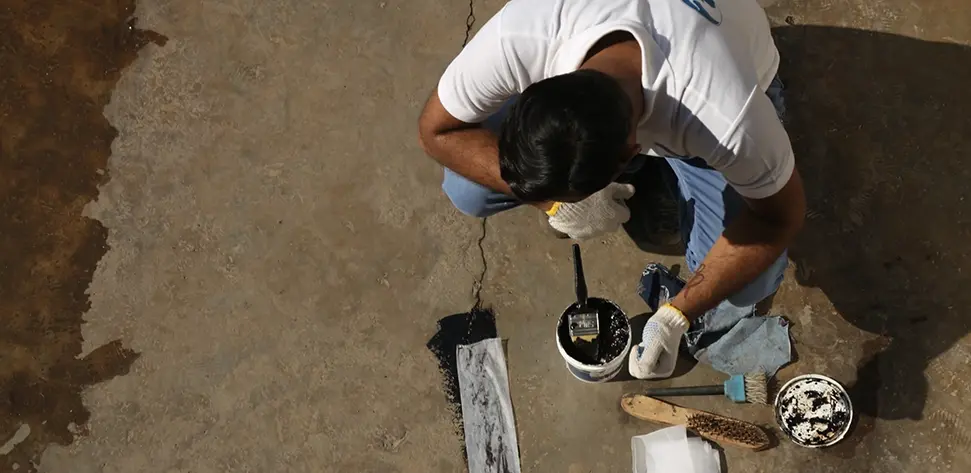
Crack clearing is a crucial step in the waterproofing process, essential for ensuring the longevity and effectiveness of the waterproofing system. Before applying any waterproofing material, it’s important to thoroughly inspect and clean any cracks or crevices in the surface. This involves removing loose debris, dirt, and old sealant that may compromise the adhesion of the new waterproofing layer. Proper crack clearing allows for a smooth, clean surface, ensuring that waterproofing products can fully penetrate and seal the cracks. This step prevents water infiltration, which can lead to structural damage, mold growth, and deterioration over time. By addressing cracks meticulously, the overall integrity and durability of the waterproofed surface are significantly enhanced, providing reliable protection against moisture and water damage.
2.
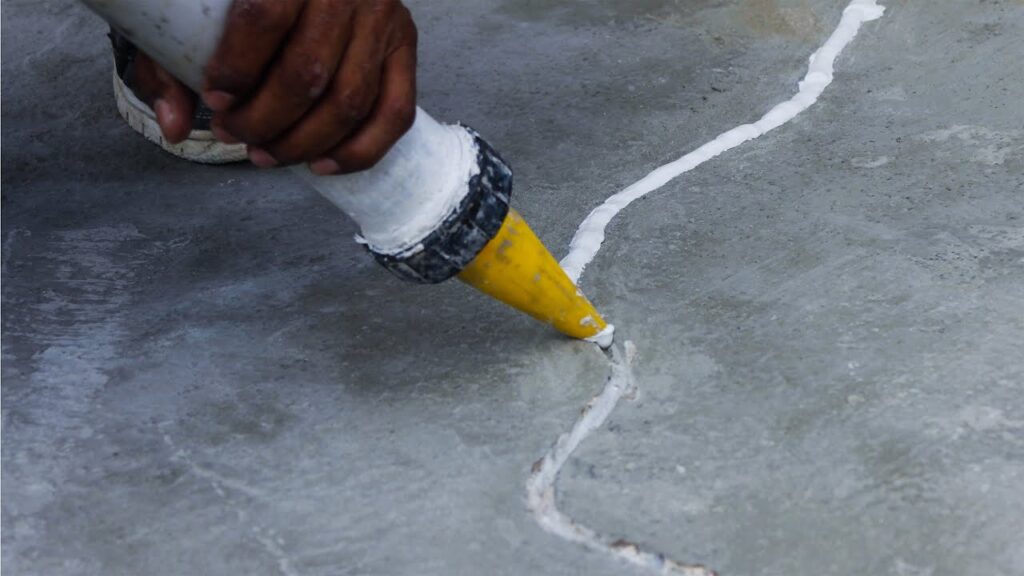
Crack filling is an essential process in waterproofing that involves sealing cracks in surfaces to prevent water infiltration. This process is crucial for maintaining the structural integrity and longevity of buildings and other structures. Cracks, if left untreated, can allow water to seep in, leading to moisture buildup, mold growth, and even structural damage over time. The crack filling procedure typically includes cleaning the crack to remove debris, applying a suitable filler or sealant, and ensuring a smooth finish to effectively block water entry. By addressing these vulnerabilities, crack filling not only enhances the waterproofing effectiveness but also contributes to the overall durability and safety of the structure.
3.
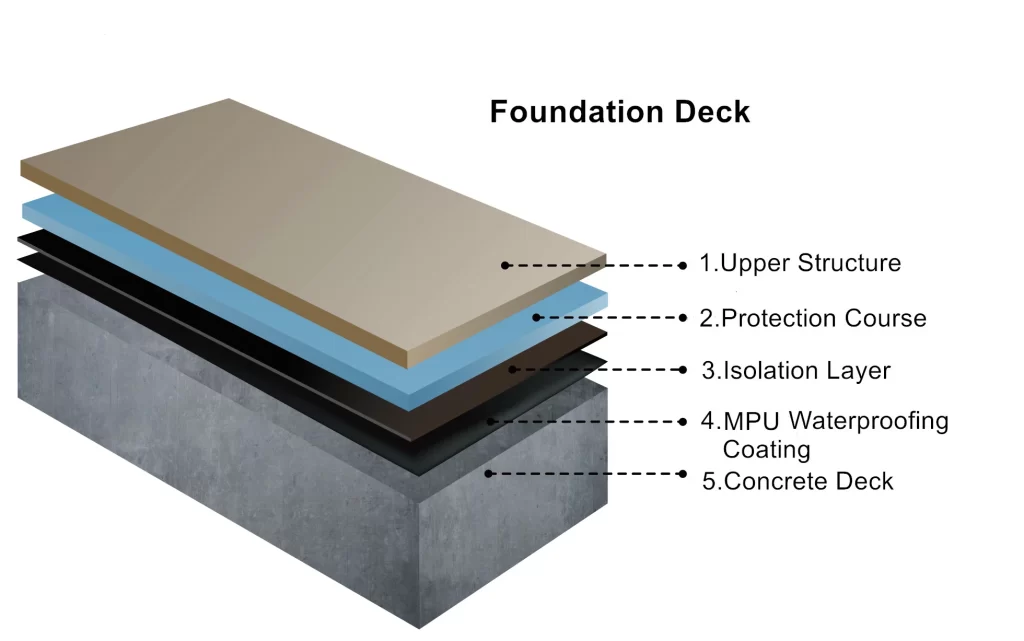
A five-layer coating system in waterproofing is a comprehensive approach designed to provide superior protection against water infiltration and damage. This system typically consists of a primer layer, which ensures strong adhesion to the substrate and prepares the surface for subsequent layers. The second layer is a base coat, often a bituminous or polymer-based material, which provides the primary waterproofing barrier. This is followed by a reinforcement layer, such as a fiberglass mesh or non-woven fabric, to enhance tensile strength and resistance to cracking. The fourth layer is an additional coating that reinforces the waterproofing properties and protects the reinforcement layer. Finally, the top coat is applied, often a UV-resistant and weatherproof finish, to protect the entire system from environmental degradation and provide a durable, long-lasting seal. This multi-layer approach ensures a robust, resilient, and effective waterproofing solution suitable for various applications, from roofs to basements.
4.
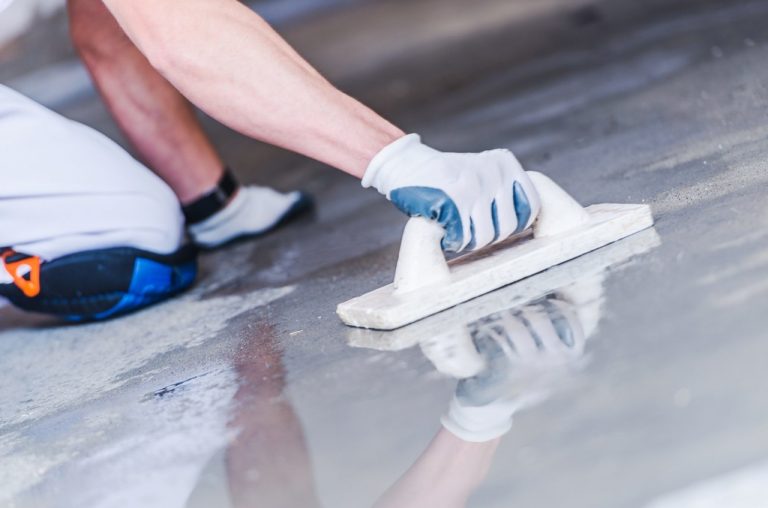
The final finish in waterproofing is a crucial stage that ensures the long-term effectiveness and aesthetic appeal of the waterproofing system. After the primary waterproofing layer has been applied, the final finish involves adding protective coatings or membranes that seal and safeguard the surface from moisture infiltration. This layer not only enhances the durability and resilience of the structure against water damage but also improves its appearance, providing a smooth and uniform surface. The final finish can include materials like topcoats, sealants, or specialized paints that are designed to withstand environmental elements, UV radiation, and physical wear. Proper application of the final finish is essential to maintaining the integrity of the waterproofing system, ensuring that buildings and structures remain protected from leaks, dampness, and other water-related issues for many years.